
Symbolic vs. Decorative Tattoos: Which Direction Is Right for You?
Choosing a tattoo often begins with one question: should it mean something, or is loving the way it looks enough? When comparing symbolic vs decorative tattoos, the main difference is what drives the design. Symbolic tattoos are usually connected to memories, beliefs, relationships, milestones, or personal ideas, while decorative tattoos are chosen primarily for their visual appeal, composition, and relationship with the body.
Neither direction is more meaningful or worthwhile than the other. Some people want every tattoo to tell a story, while others simply enjoy wearing beautiful artwork. Many designs also sit comfortably somewhere between the two. Understanding what you want from the tattoo before discussing the design with an artist can make the creative process much easier and help you choose artwork that continues to feel right long after the appointment.
What Separates Symbolic and Decorative Tattoos?
The difference between symbolic and decorative tattoos is mainly about the intention behind the artwork. Two tattoos can look visually similar while having completely different purposes for the people wearing them.
Symbolic Tattoos Focus on Meaning
A symbolic tattoo represents something beyond the image itself. A bird might represent freedom, a flower may remind someone of a family member, or a particular date might mark an important turning point. Symbols can also relate to cultural traditions, spirituality, personal values, relationships, achievements, or difficult experiences.
The meaning does not have to be obvious to anyone else. In fact, many symbolic tattoos use subtle imagery that only the wearer fully understands. Their significance comes from the connection between the image and the person's own experience rather than from whether other people recognize the symbolism.
Decorative Tattoos Focus on Visual Impact
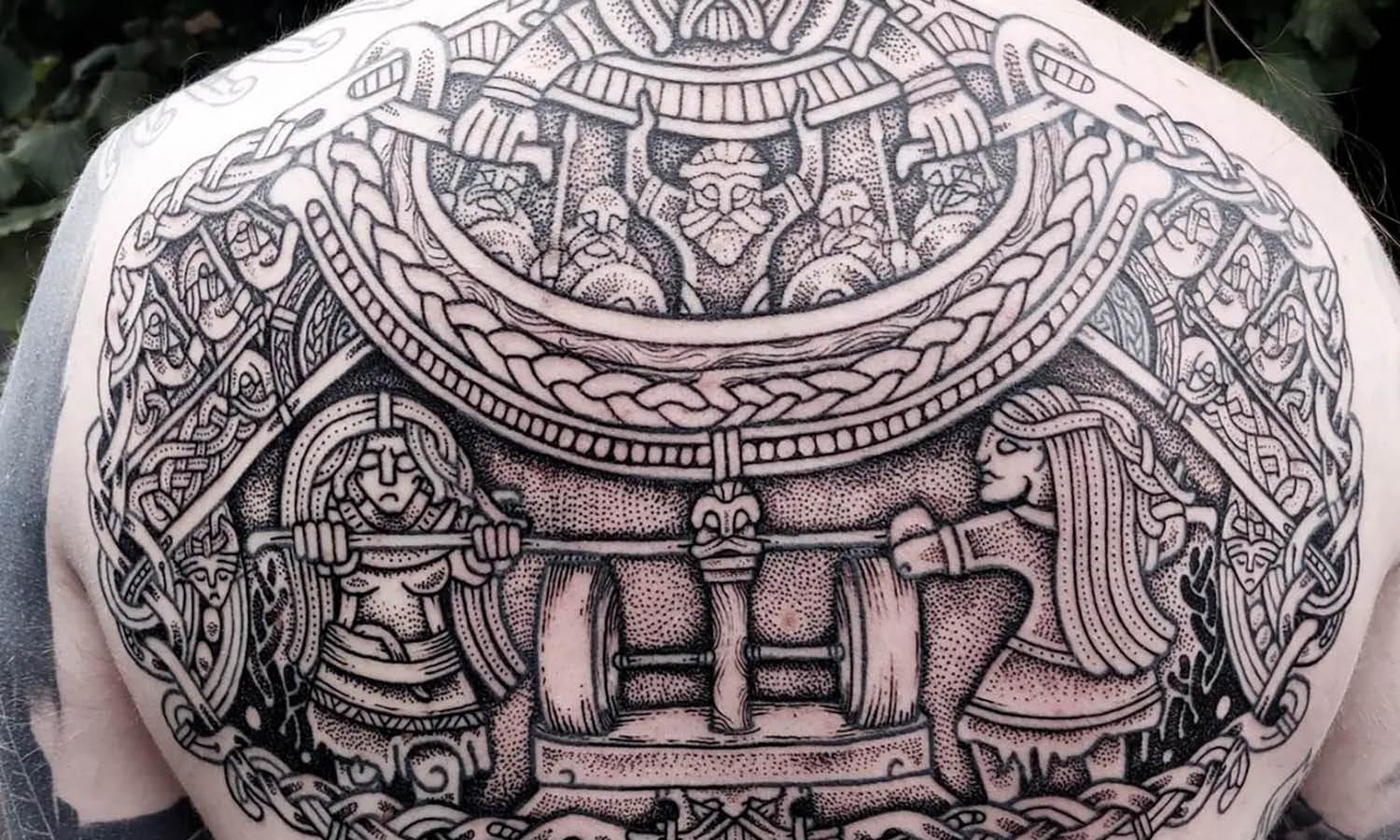
Decorative tattoos begin with aesthetics. Someone may choose an ornamental pattern, abstract composition, botanical design, or flowing illustration simply because they enjoy how it looks on the body.
Placement, movement, balance, linework, texture, and negative space can become more important than representing a particular story. Choosing a tattoo because you enjoy the artwork does not make the decision shallow. Appreciation for visual design can be a strong enough reason on its own.
Why Choose a Symbolic Tattoo?
Symbolic tattoos can feel especially appealing when you want your body art to represent something you would like to remember, celebrate, or carry with you.
You Want the Tattoo to Represent Something Personal
A symbolic design can act as a visual reminder of an important person, experience, belief, or period of life. Instead of simply remembering something mentally, you turn that connection into permanent artwork.
The design does not need to explain the entire story literally. Small details can communicate personal meaning without making the tattoo feel overly obvious. Initials might become part of an illustration, for example, or a meaningful place could be represented through a landscape, plant, object, or abstract shape.
You Enjoy Having a Story Behind Your Tattoo
Some people naturally enjoy tattoos that have an explanation attached to them. When someone asks about the artwork, being able to share its story can make the tattoo feel more personal and engaging.
That story can also remain private. A symbolic tattoo does not need to be designed for other people's understanding. Its purpose may simply be to remind you of something whenever you see it.
You Want the Design Connected to Your Identity
Symbols can represent qualities, interests, or ideas that feel closely connected to who you are. They may reflect personal growth, family heritage, creative interests, spiritual values, or a life philosophy.
However, symbolism can become restrictive if you feel every element needs an elaborate explanation. Trying to find the perfect meaning can make choosing a tattoo unnecessarily stressful. Sometimes a symbol only needs to feel personally relevant rather than carry a complicated story.
Why Choose a Decorative Tattoo?
Decorative tattoos are ideal for people who are primarily attracted to tattooing as an art form. The design can still feel deeply personal even when it does not represent a specific event or idea.
You Are Drawn to Art More Than Symbolism
You might simply love a particular flower, creature, pattern, illustration style, or abstract composition. Enjoying an image can be enough reason to place it on your body.
People often feel pressured to explain what a tattoo means, but artistic preference does not require justification. Saying that you chose a design because you thought it was beautiful is already a complete explanation.
You Want the Tattoo to Complement Your Body
Decorative tattooing often pays close attention to how artwork interacts with anatomy. A design might curve around the shoulder, follow the shape of the forearm, frame the knee, or extend naturally along the ribs.
Rather than beginning with a symbol and deciding where to place it afterward, the design may begin with the body itself. Scale, movement, spacing, and composition become central parts of the creative process.
You Prefer More Creative Freedom
Removing the requirement for specific symbolism can create more room for experimentation. Your tattoo artist can adjust shapes, add decorative elements, change proportions, or combine unexpected imagery without worrying that every decision alters the meaning.
This freedom can be especially useful when you admire an artist's individual style and want them to interpret an idea creatively.
Can a Tattoo Be Both Symbolic and Decorative?
The distinction between symbolic vs decorative tattoos is not always strict. Many successful tattoos combine personal meaning with strong visual design.
Start With Meaning and Build the Artwork Around It
You can begin with something personally significant and allow your artist to interpret it visually. Instead of tattooing a symbol exactly as it normally appears, the artist might incorporate it into a larger botanical, geometric, illustrative, or ornamental composition.
This approach preserves the original meaning while creating artwork that feels visually complete.
Start With Artwork and Add Personal Details
The opposite approach works just as well. You might first choose an image because you love its appearance and then incorporate subtle details connected to your own story.
A decorative flower piece, for example, could use a variety associated with someone important to you. An animal illustration could include a small date or environmental detail that carries private significance.
Decide Which Element Should Lead
When combining symbolism and decoration, deciding which one matters most can simplify the design process. If meaning is your priority, visual decisions should support the symbol. If aesthetics matter more, symbolism can remain subtle rather than controlling every element.
A flower tattoo demonstrates this balance well. You may choose the flower partly because of what it represents, while choosing its size, placement, linework, and composition because those qualities look beautiful on the body.
How to Decide Which Direction Is Right for You
You do not need to classify your tattoo perfectly before getting started. A few simple questions can help reveal whether symbolism, aesthetics, or a mixture of both should guide the design.
Ask What You Want to Feel When You See the Tattoo
Imagine looking at the finished piece months or years later. Do you want it to remind you of someone or something important? Or would simply appreciating the artwork feel satisfying?
Your first instinct often reveals whether emotional meaning or visual enjoyment is more important.
Imagine Explaining the Tattoo to Someone Else
Consider how you would answer if someone asked what your tattoo means. If having a personal story feels important, symbolism may deserve more attention. If you would happily say, “I just loved the design,” a decorative direction may suit you better.
Think About the Design Without Its Meaning
If you are considering a symbolic tattoo, temporarily remove the story from the equation. Would you still enjoy looking at the artwork?
This question can prevent you from choosing imagery you dislike simply because its symbolism sounds appropriate. Ideally, a meaningful tattoo should also be visually appealing to you.
Consider How Your Preferences May Change
You cannot predict exactly how you will feel years from now, but you can separate lasting preferences from temporary impulses. Choose imagery and artistic styles you genuinely enjoy rather than selecting something only because it currently feels meaningful or fashionable.
Tell Your Tattoo Artist What Matters Most
Explain whether meaning, appearance, or both are driving the idea. This information helps the artist know where they have creative freedom and which details should remain unchanged.
Common Mistakes When Choosing Between Meaning and Aesthetics
Forcing Meaning Into Every Design
You do not need to invent symbolism simply because someone asks what your tattoo represents. A piece of artwork can exist because you enjoy it.
Choosing Symbolism Without Liking the Artwork
A meaningful symbol may sound perfect conceptually but still produce imagery you do not enjoy wearing. Pay attention to both emotional significance and visual appeal.
Ignoring Placement in Decorative Designs
A decorative tattoo still needs careful planning. A beautiful image can lose impact if its scale, orientation, or placement does not complement the body.
Copying Someone Else's Personal Symbolism
A symbol can carry different meanings for different people. Rather than adopting someone else's interpretation automatically, consider what the imagery genuinely represents to you.
Frequently Asked Questions
Do Tattoos Need to Have a Meaning?
No. Tattoos can commemorate people, experiences, beliefs, or milestones, but they can also be chosen simply because the artwork looks appealing. Decorative tattoos are not inherently less thoughtful. If you genuinely enjoy the design and feel comfortable wearing it, the tattoo does not need an additional symbolic explanation.
Are Symbolic Tattoos More Personal Than Decorative Tattoos?
Symbolic tattoos often contain obvious personal references, but decorative tattoos can also feel highly individual. Your preferences for style, imagery, placement, scale, and composition reflect your personal taste. A tattoo does not need to represent a particular event or belief in order to feel uniquely connected to you.
Can a Decorative Tattoo Become Meaningful Later?
Yes. Tattoos sometimes gain associations naturally as time passes. A design originally chosen for its appearance may eventually remind you of the period when you received it, the artist who created it, or experiences connected to that stage of life. You do not need to intentionally create that meaning beforehand.
Should I Tell My Tattoo Artist What the Symbol Means?
If the meaning influences important details, explaining it can help your artist make better creative decisions. You do not need to share anything deeply private, though. You can simply identify which elements must remain intact and which parts the artist can reinterpret, expand, or adjust for a stronger composition.
Conclusion
Choosing between symbolic vs decorative tattoos ultimately comes down to what you want the artwork to provide. A symbolic tattoo may feel right if you want to represent a memory, relationship, value, or experience, while a decorative piece may suit you if visual beauty and artistic expression matter more. You also do not have to choose one approach exclusively. Meaning and aesthetics can work together naturally. Focus on artwork you genuinely enjoy wearing rather than feeling pressured to create either a profound story or a purely decorative explanation.
Related Articles








Leave a Comment