
How to Find the Right Tattoo Artist for Your Preferred Style
Finding the right tattoo artist is one of the most important steps in turning an idea into a tattoo you will feel confident wearing long term. A talented artist may produce beautiful work, but that does not automatically mean their strengths match the style you want. Someone known for bold traditional tattoos may not be the best choice for delicate fine-line work, just as a realism specialist may approach a design very differently from an ornamental artist.
If you are wondering how to find a tattoo artist for a particular style, start by identifying the visual qualities you want and then look for artists whose portfolios consistently demonstrate those strengths. From there, examine healed work, communication, studio standards, and creative compatibility before booking. A little extra research can make the difference between choosing a generally skilled tattooer and finding an artist who is genuinely suited to your specific design.
Identify the Tattoo Style You Actually Want
Before researching individual artists, get reasonably clear about the visual direction of your tattoo. You do not need to understand every technical term, but knowing what qualities attract you will make your search far more focused.
Define the Look Rather Than Just the Subject
The subject of a tattoo and its style are two different things. A rose, tiger, portrait, or snake can be interpreted in countless ways depending on the artist.
For example, a flower tattoo could feature thin, delicate lines with minimal shading, bold traditional outlines with saturated color, soft realism, geometric shapes, or expressive watercolor effects. Searching only for someone who tattoos flowers may therefore give you artists whose work looks nothing like what you imagined.
Pay attention to characteristics such as line thickness, level of detail, color palette, shading, contrast, and overall mood. These visual qualities are often more useful than the subject itself when identifying the right artist.
Collect a Few Useful Visual References
Create a small collection of tattoos that capture the direction you like. Rather than collecting dozens of unrelated images, choose a few examples that clearly communicate particular qualities.
One reference might demonstrate the linework you prefer, another the shading, and another the composition or placement. This gives an artist a better understanding of your taste without suggesting that you want another person's tattoo copied exactly.
Leave Room for the Artist’s Interpretation
References work best as visual guidance rather than strict instructions. A skilled tattoo artist should be able to understand what attracts you to certain images and reinterpret those qualities into an original design.
Giving the artist some creative freedom also allows them to adjust proportions, details, and composition so the tattoo suits your body and works effectively on skin.
Search for Artists Who Specialize in That Style
Once you understand the type of work you want, focus your search on artists who regularly create it. This is one of the most practical parts of learning how to find a tattoo artist because specialization can significantly narrow down your options.
Search by Style and Location
Combine your desired tattoo style with your city or region when searching online. Phrases such as “fine-line tattoo artist in Jakarta,” “blackwork tattoo artist near me,” or “Japanese tattoo artist in Singapore” can produce more useful results than a general search for tattoo studios.
Look through individual artist websites, studio pages, portfolio platforms, and social media profiles. Many tattoo artists use Instagram or similar platforms as active portfolios, making it easier to see recent work and identify recurring styles.
Look Beyond the Closest Tattoo Studio
Convenience can be useful, but the nearest artist is not always the right artist.
If you want a specialized aesthetic, expanding your search to nearby cities may give you access to someone with much stronger experience in that style. A tattoo is permanent, so traveling a little farther can make sense when the difference in artistic compatibility is significant.
For large or highly detailed pieces, however, consider how travel will affect multiple sessions, follow-up appointments, and potential touch-ups.
Follow Artist and Studio Recommendations
One artist can often lead you to another. Tattooers frequently collaborate, attend conventions, host guest artists, or follow other professionals working in related styles.
If you find an artist whose aesthetic is close to what you want but their books are closed, look at the people they collaborate with or recommend. This can uncover excellent artists who may not appear near the top of a general search.
Study the Artist’s Portfolio Carefully
A portfolio tells you much more than whether an artist can create visually impressive tattoos. You should be looking for evidence that they can repeatedly execute the particular style you want.
Check for Consistency
One beautiful tattoo does not necessarily indicate specialization. Scroll through a substantial portion of the artist's work and look for consistency.
If you want delicate botanical tattoos, for example, seeing many well-executed botanical pieces is more reassuring than discovering one among dozens of unrelated styles.
Consistency also shows whether the artist can maintain their quality across different clients, body areas, sizes, and compositions.
Examine Linework, Shading, and Color
Look closely at the technical qualities relevant to your preferred style.
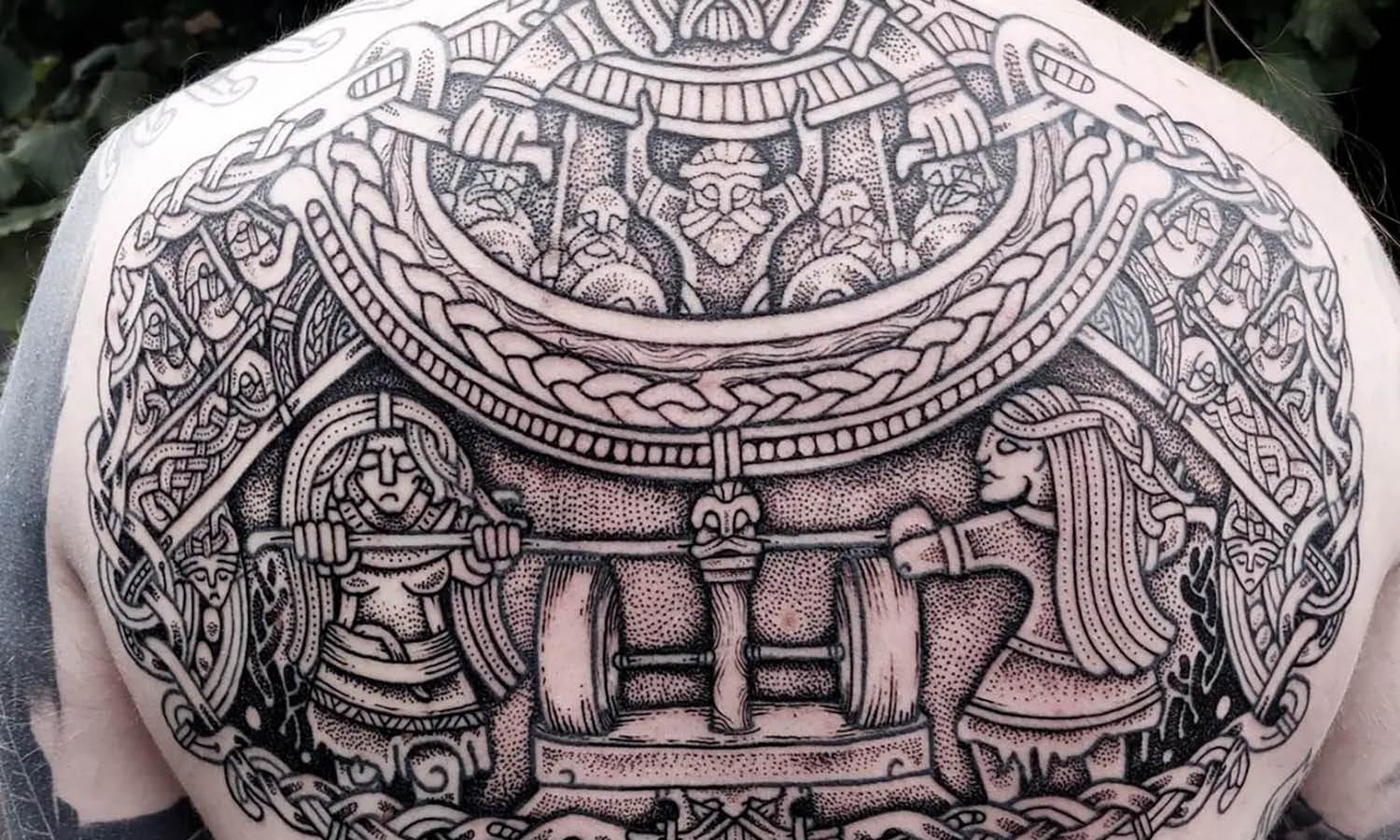
For line-focused tattoos, examine whether lines appear clean and controlled. For realism, look at smooth transitions, recognizable forms, and convincing depth. For color tattoos, consider whether saturation appears even and whether the palette supports the overall composition.
You do not need professional tattoo knowledge to notice whether the work feels controlled, intentional, and visually balanced.
Look at Composition and Placement
Strong tattoo artists design for the body rather than treating skin like a flat sheet of paper.
Pay attention to how tattoos follow shoulders, arms, ribs, legs, backs, and other areas. Notice whether larger compositions feel balanced and whether smaller designs remain readable.
If your preferred tattoo involves an awkward or curved placement, finding an artist who handles similar areas well can be especially valuable.
Compare Similar Subjects When Possible
Style is important, but subject experience can matter too.
An artist may specialize in black-and-grey work while focusing primarily on architecture, portraits, or animals. If you want an elaborate botanical sleeve, an artist who regularly combines your preferred style with plant imagery may be a stronger match than someone who rarely works with that subject.
Look for Healed Tattoos, Not Just Fresh Photos
Fresh tattoos often photograph beautifully. The skin may look glossy, colors can appear extremely saturated, and fine details may seem exceptionally crisp. However, tattoos naturally change as the skin heals.
Healed work provides a more realistic indication of how an artist's tattoos settle over time.
Why Healed Work Matters
A healed tattoo can reveal whether small details remain readable, whether lines hold their structure, and whether shading or color maintains a balanced appearance.
This is particularly useful when evaluating techniques that depend heavily on fine details, subtle gradients, or dense color.
Fresh photographs are still useful, but healed examples provide another layer of information when comparing artists.
What to Look For
Look for tattoos that remain visually clear after healing. Lines should generally appear controlled, color should look reasonably even where intended, and important details should still be recognizable.
Remember that healing varies from person to person, so one imperfect example does not automatically reflect the artist's overall ability. Instead, look for patterns across several healed pieces.
Ask When Healed Work Is Not Publicly Available
Not every artist regularly posts healed tattoos. If their portfolio otherwise seems promising, you can politely ask whether they have healed examples of similar work.
A professional inquiry is reasonable, especially when you are considering a large, detailed, or expensive tattoo.
Check Professionalism and Studio Standards
Artistic compatibility should be a major factor in choosing an artist, but professionalism also matters. The booking experience can tell you a lot about how the artist approaches their work and clients.
Review the Artist’s Communication
Look for clear information about how bookings work, what details should be included in an inquiry, how deposits are handled, and when designs are normally discussed.
Responses do not need to be immediate, especially with busy artists, but communication should generally be organized and understandable.
A professional artist should also be willing to explain relevant parts of their process without making you feel uncomfortable for asking reasonable questions.
Research the Studio’s Reputation
Read client feedback and look at the studio's broader reputation. Reviews can provide useful information about organization, communication, atmosphere, and overall client experiences.
However, avoid choosing an artist based purely on ratings. Reviews are best used alongside the portfolio and your own interaction with the artist.
Studio cleanliness and professional working practices should also be treated as basic requirements rather than optional advantages.
Watch for Warning Signs
Be cautious if an artist cannot show relevant examples of their work, refuses reasonable questions, heavily alters photographs to the point that tattoos are difficult to evaluate, or pressures you into booking before you feel comfortable.
You should also be wary if an artist promises to reproduce another tattoo exactly without considering originality or how the design should be adapted to your body.
Arrange a Consultation Before Committing
A consultation can help you move from admiring an artist's portfolio to deciding whether they are genuinely the right person for your tattoo.
Explain Your Idea Clearly
Share the main subject, approximate size, body placement, preferred visual style, and any important details you want included.
Bring your reference images, but explain what you like about them. Instead of simply showing a picture, you might point out that you like its fine linework, muted color, negative space, or flowing composition.
This makes your preferences easier for the artist to interpret.
Ask About Their Experience With the Style
If the artist's portfolio includes several styles, ask how regularly they work in the one you want.
An artist who genuinely enjoys and understands that aesthetic may be able to provide more thoughtful suggestions about how your idea can be adapted.
Listen to Their Design Suggestions
A good consultation is collaborative.
An experienced tattoo artist may recommend increasing the size, simplifying tiny elements, changing the placement, or increasing contrast. These suggestions are often intended to help the tattoo remain readable and visually effective.
You do not have to agree to every recommendation, but understanding the reasoning behind them can help you make better design decisions.
Pay Attention to Creative Compatibility
You should feel comfortable communicating with the artist and confident that they understand the direction you want.
At the same time, a successful collaboration requires some trust. If you like an artist specifically because of their portfolio, giving them enough creative freedom to use their strengths can lead to a more distinctive result.
Compare Your Shortlist Before Choosing
If several artists seem suitable, compare them based on how closely their strengths match your actual tattoo rather than simply asking which one appears most popular.
Look at their style compatibility, portfolio consistency, healed work, subject experience, communication, and professionalism together. These factors provide a much clearer picture than follower counts or online ratings alone.
Price and availability naturally matter, but they should not override artistic compatibility for permanent work. Choosing the cheapest option can become a false saving if the artist is not well suited to the style you want.
The best tattoo artist for your project is not necessarily the most famous person in your area. It is the artist whose skills, aesthetic, experience, and creative approach align most closely with the specific tattoo you want to create.
Frequently Asked Questions
How Do I Know if a Tattoo Artist Specializes in My Style?
Review a substantial portion of the artist's portfolio instead of judging them by one impressive tattoo. If your preferred style appears repeatedly and the quality stays consistent across different subjects, placements, and clients, that is a stronger indication of genuine specialization than an occasional example of that style.
Should I Choose a Tattoo Artist Based on Instagram?
Instagram can be useful for discovering artists and viewing recent work, but it should not be your only source. Check the artist's broader portfolio, healed tattoos, studio information, booking process, and client feedback as well. Social media photographs may also be carefully selected or edited, so consider several sources before deciding.
Is It Worth Traveling to Get Tattooed by the Right Artist?
Travel can be worthwhile when a particular artist has significantly stronger experience in the style you want. For highly specialized tattoos, artistic compatibility may justify additional distance. Before committing, consider transportation, accommodation, healing, multiple sessions, and whether you could realistically return if another appointment or touch-up becomes necessary.
Should I Contact Several Tattoo Artists Before Choosing One?
Comparing a small shortlist can be useful, especially when multiple artists appear suitable. Research their portfolios first rather than sending the same inquiry to dozens of tattooers. Contact the strongest candidates with a clear description of your idea, then compare their relevant experience, communication, availability, and approach before deciding.
Conclusion
Learning how to find a tattoo artist is really about matching your idea with the right creative specialist. Start by defining the visual style you want, then look for artists who consistently demonstrate that aesthetic in their portfolios. Study their healed work, consider their experience with similar subjects, review their professionalism, and use a consultation to assess creative compatibility. Rather than choosing based only on convenience, price, or popularity, prioritize the artist whose skills and approach best fit your particular design. That careful match gives your tattoo a much stronger foundation from the beginning.
Related Articles









Leave a Comment