
Geometric & Dotwork Tattoos: What Sets These Styles Apart?
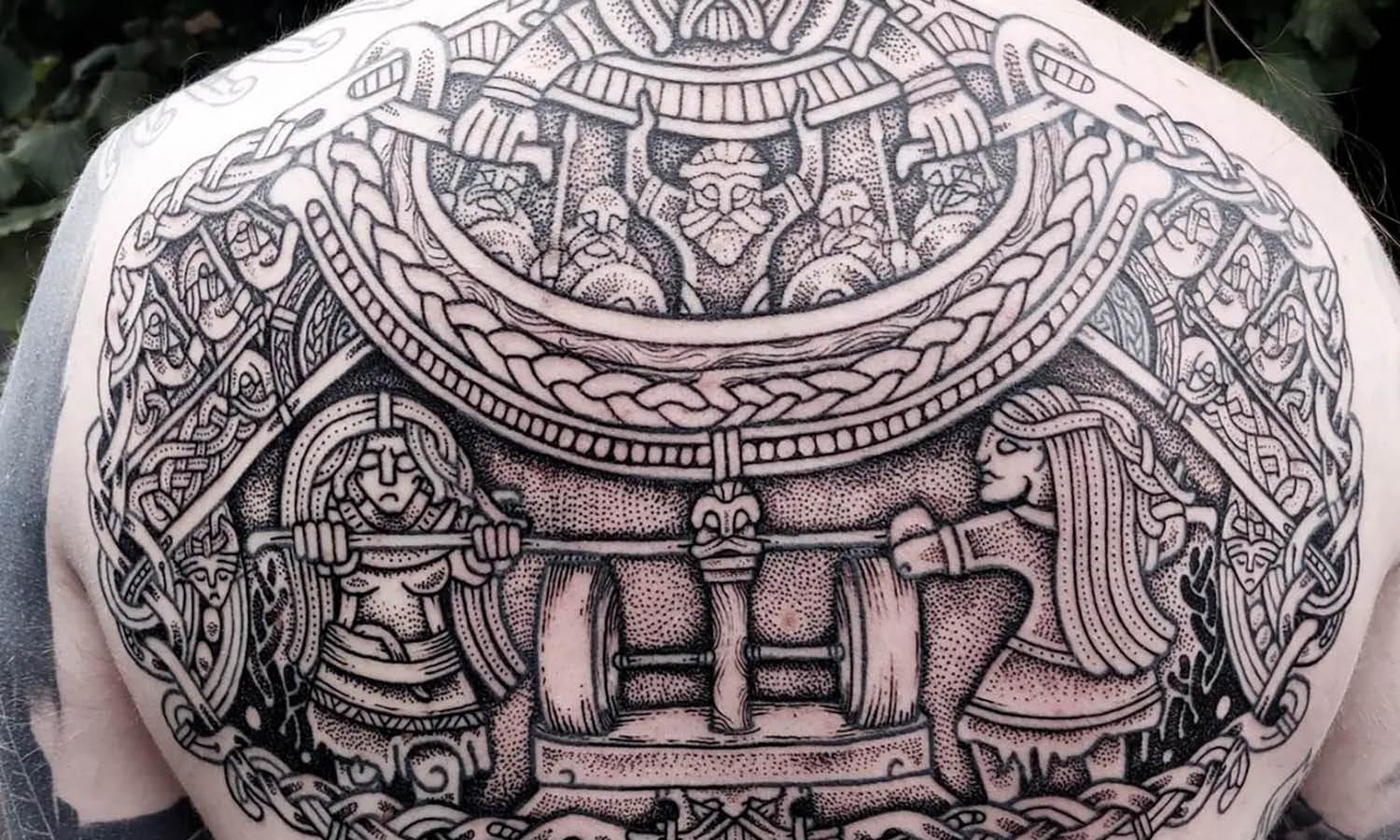
Geometric and dotwork tattoos are often grouped together because they share a precise, highly detailed visual language, but they are not actually the same style. Geometric tattooing is defined mainly by structure: clean lines, repeated shapes, symmetry, proportion, and carefully arranged compositions. Dotwork, on the other hand, is primarily a technique that uses individual dots to create shading, texture, depth, and sometimes complete images.
The two approaches frequently appear in the same tattoo, which can make the distinction confusing at first. A geometric mandala, for example, might use crisp symmetrical outlines while relying on dotwork to create gradients between darker and lighter areas.
Understanding how each approach works makes it easier to identify what you like, communicate with a tattoo artist, and decide whether you want a purely geometric design, a predominantly dotwork piece, or a combination of both.
What Sets Geometric and Dotwork Tattoos Apart?
The biggest difference between geometric and dotwork tattoos comes down to structure versus technique.
Geometric Tattoos Focus on Structure and Shape
Geometric tattoos are built around organized visual forms. Circles, triangles, squares, polygons, straight lines, grids, and repeating patterns often form the foundation of the composition. Some designs are completely abstract, while others use geometry to reinterpret recognizable subjects such as animals, flowers, landscapes, or symbols.
Symmetry is especially common, although a tattoo does not necessarily need to be perfectly symmetrical to qualify as geometric. What matters is that the design relies heavily on deliberate shapes, angles, proportions, and visual order.
Dotwork Tattoos Focus on Marks and Texture
Dotwork is created through repeated individual dots rather than relying entirely on solid lines or conventional smooth shading. By changing the distance between those dots, an artist can control how light or dark an area appears.
Dense clusters create darker sections, while wider spacing produces lighter areas. This makes dotwork especially useful for gradients, shadows, atmospheric texture, and detailed decorative effects.
Unlike geometric tattooing, dotwork is not limited to a particular type of composition. It can be used inside geometric, ornamental, illustrative, botanical, or other tattoo designs.
The Visual Language of Geometric Tattoos
Geometric tattoos tend to feel deliberate and carefully constructed. Even relatively simple designs often depend on balance and proportion to achieve their distinctive appearance.
Symmetry and Repetition
Repeated shapes create rhythm within geometric tattoo designs. A pattern might radiate outward from a central point, repeat along a limb, or mirror itself across an invisible axis.
Symmetry can give a tattoo an orderly, meditative quality, particularly in circular and mandala-inspired compositions. Repetition also allows relatively basic shapes to become visually complex when they are arranged in carefully planned sequences.
Clean Lines and Defined Forms
Line quality plays an especially important role in geometric tattooing because small inconsistencies can be easy to notice. A slightly uneven circle or misaligned line can interrupt the sense of balance that makes the design effective.
For this reason, geometric pieces often rely on carefully placed outlines and precise spacing. Larger compositions may combine thin details with heavier lines to create visual hierarchy and prevent complex patterns from blending together.
Abstract and Recognizable Subjects
Not every geometric tattoo needs to look mathematical. Artists can use geometric forms to simplify familiar subjects into more structured compositions.
An animal portrait, for example, might be reconstructed using triangles and polygonal planes. A flower might combine natural petals with circular guides or repeating line patterns. This combination of familiar imagery and controlled structure is one reason geometric tattooing can feel both modern and expressive.
How Dotwork Creates Shading, Texture, and Depth
Dotwork has a recognizable texture that comes from building visual information one mark at a time. From a distance, carefully placed dots can merge into smooth areas of tone. Up close, the individual marks remain visible.
Dot Density Creates Tonal Changes
One of the most important principles in dotwork is density. When dots are packed closely together, the tattoo appears darker. When more skin is left between the dots, the area appears lighter.
Artists can gradually change the spacing to create soft transitions between light and shadow. This allows dotwork to produce dimensional effects without relying on traditional smooth shading.
The technique can also create dramatic contrast when very dense sections sit next to open areas of skin.
Gradients Feel Different From Traditional Shading
Traditional tattoo shading often creates continuous areas of tone. Dotwork produces a more visibly textured transition.
This texture can make shadows feel softer, grainier, or more atmospheric depending on how the dots are arranged. In highly detailed work, the gradual shift from dense to sparse dots can give the tattoo a subtle sense of depth without making the design feel heavy.
Dotwork Can Stand Alone
Although dotwork is frequently used for shading, it can also form the majority of a tattoo.
Entire shapes, ornamental elements, landscapes, abstract images, or illustrative subjects can be constructed primarily from dots. In these cases, dot placement is not simply an additional detail. It becomes the main visual language of the design.
This versatility is one reason dotwork appears across several tattoo aesthetics rather than belonging exclusively to geometric tattooing.
Where Geometric and Dotwork Tattoos Overlap
Geometric and dotwork tattoos complement each other particularly well because one provides structure while the other introduces texture and tonal variation.
Dotwork Can Shade Geometric Forms
A tattoo artist might create a precise geometric framework using solid lines and then fill selected areas with stippling.
Triangles can fade from dark to light through changing dot density. Circles can gain dimension through subtle dotted gradients. Negative space can also be emphasized by placing dense dotwork beside untouched areas of skin.
This combination preserves the clarity of the geometry while making the overall composition feel more layered.
Patterns Can Transition Between Lines and Dots
Some designs move gradually from defined linework into scattered dots. Instead of ending a shape with a hard edge, an artist may allow the pattern to dissolve through progressively wider dot spacing.
This technique can make rigid geometry feel softer without removing its underlying structure.
Artists may also alternate solid areas, fine lines, and dotted textures within a single pattern, creating contrast between different surfaces.
Mandalas and Ornamental Designs Often Use Both
Mandalas and ornamental tattoo designs frequently combine geometric construction with dotwork shading.
Circular symmetry establishes the overall framework, while repeated decorative elements create rhythm. Dotwork can then separate layers, darken certain sections, or add texture between patterns.
This is why many tattoos can accurately be described as both geometric and dotwork. The geometric element describes how the composition is organized, while the dotwork element describes how parts of that composition are rendered.
Geometric vs. Dotwork Tattoos: How the Tattooing Process Differs
Although these approaches often appear together, artists pay attention to different technical details when creating each one.
Precision Matters in Different Ways
Geometric tattooing depends heavily on alignment. Straight lines need to remain consistent, repeated shapes must relate properly to one another, and symmetrical elements need careful positioning.
Dotwork requires a different type of control. The artist must manage spacing, density, rhythm, and gradual transitions between darker and lighter areas.
Both demand precision, but the visual consequences of mistakes are different.
Stencils and Planning Can Be Important
Complex geometric pieces often require extensive preparation before tattooing begins. Artists may carefully position a stencil so that the design follows the body correctly and maintains its intended symmetry.
This can be especially important when patterns wrap around an arm, leg, shoulder, or torso.
Dotwork also benefits from planning, particularly where gradients are involved. The artist needs to understand where the darkest sections should sit and how gradually the dots should spread outward.
The Final Texture Is Different
Geometric linework generally produces a crisp, graphic appearance. Shapes remain clearly defined, and the viewer immediately notices structure.
Dotwork creates more visible surface texture. From close range, individual marks become part of the design. From farther away, they may blend into gradients and shadow.
The combination of these two effects can create tattoos that feel precise without appearing visually flat.
Choosing Between Geometric, Dotwork, or a Combination
Choosing between the two depends largely on what kind of visual effect attracts you most.
Choose Geometric for a Structured Look
Geometric tattooing may suit you if you are drawn to symmetry, repetition, mathematical patterns, defined silhouettes, or orderly compositions.
It can work particularly well when you want a tattoo that feels clean and intentional rather than loose or painterly. Even detailed geometric designs usually maintain a strong sense of visual organization.
Choose Dotwork for Texture and Gradation
Dotwork may appeal more if you like visible texture, subtle tonal transitions, stippled shading, or intricate detail.
Because dots can be spaced in many different ways, the technique can move between delicate and dramatic effects. Light stippling may create a soft haze, while dense dotwork can produce deep shadows and strong contrast.
Combine Both for More Visual Dimension
You do not necessarily need to choose one approach exclusively.
A geometric framework can establish the shape and rhythm of the tattoo, while dotwork adds depth inside or around it. This pairing works particularly well when you want a piece that feels structured but not overly rigid.
When looking for an artist, pay attention to their portfolio rather than assuming every tattooer approaches these techniques in the same way. Look closely at line consistency, symmetry, dot spacing, gradients, and how successfully the artist combines detailed areas with open skin.
Frequently Asked Questions
Are Geometric and Dotwork Tattoos the Same Style?
No. Geometric tattooing is mainly defined by structured shapes, symmetry, lines, and organized patterns. Dotwork describes a technique that uses individual dots to create shading, texture, or complete forms. They frequently appear together, which is why the terms are sometimes used side by side.
Can a Tattoo Be Both Geometric and Dotwork?
Yes. Many designs combine geometric outlines with dotwork shading. An artist might build a symmetrical pattern from circles and straight lines, then use dots to create gradients or darker areas within the shapes. In that case, both descriptions accurately apply to the same tattoo.
Does Dotwork Always Use Only Dots?
Not necessarily. Some dotwork tattoos are created almost entirely from dots, while others combine stippling with solid lines, black sections, negative space, or additional shading techniques. How much dotwork is used depends on the composition and the visual effect the artist wants to achieve.
What Designs Work Well With Geometric and Dotwork Tattoos?
Mandalas, ornamental patterns, abstract compositions, botanical subjects, animals, and symbolic designs can all work well with geometric and dotwork approaches. These subjects often benefit from a combination of structured outlines and textured shading, allowing the tattoo to feel precise while still having depth and visual variation.
Conclusion
Geometric and dotwork tattoos share a similar appreciation for precision, but they achieve their visual impact in different ways. Geometric tattooing is primarily about shape, symmetry, proportion, and structure, while dotwork uses repeated dots to create tone, shading, and texture. When combined, the two approaches can produce highly detailed designs that feel both controlled and dimensional. Understanding that distinction makes it easier to recognize which qualities appeal to you most. Whether you prefer crisp geometry, textured stippling, or a blend of both, the right approach depends on the visual character you want your tattoo to have.
Related Articles




Leave a Comment