
How to Choose Your First Tattoo Placement
Choosing your first tattoo placement can feel almost as important as choosing the design itself. The location affects how often you see the tattoo, how easily you can cover it, how comfortable the session may feel, and how well the artwork fits the natural shape of your body.
There is no single best placement for everyone. A forearm tattoo may feel perfect if you enjoy visible artwork, while an upper arm or thigh may suit you better if you prefer something more private. Your pain tolerance, lifestyle, design size, and future plans also matter.
The best approach is to consider placement and design together. Before committing, think about visibility, comfort, healing, proportions, and how the tattoo may age. A thoughtful first tattoo placement should support the artwork while still feeling natural and comfortable for you.
Start With How Visible You Want Your Tattoo to Be
Visibility is one of the easiest ways to narrow down your placement options. Before thinking about pain or aesthetics, decide how often you want other people to see your tattoo.
Highly Visible Placements
The forearm, wrist, and lower leg are popular areas for tattoos that are meant to be seen. These placements work well if you enjoy having your artwork become part of your everyday appearance.
A visible first tattoo can also be satisfying because you get to see the design regularly. However, consider whether you would be comfortable with the tattoo showing at work, formal occasions, family events, or other situations where you may prefer a more understated look.
Easier-to-Conceal Placements
The upper arm, shoulder, upper thigh, back, and torso give you more control over when your tattoo is visible. These areas can be especially appealing if you like the idea of body art but do not necessarily want it displayed every day.
Concealable placements also give you flexibility if your workplace has stricter appearance standards.
Think About Everyday Situations
Consider your usual clothing and daily routine. If you regularly wear short sleeves, a forearm tattoo will be visible most of the time. If you often wear trousers or longer tops, a thigh or shoulder tattoo may remain more private.
Choosing visibility intentionally helps prevent regret later.
Consider Your Pain Tolerance
Pain should not be the only factor behind your first tattoo placement, but it is reasonable to think about it when you have never experienced tattooing before.
Generally More Comfortable Areas
Fleshier parts of the body tend to be more manageable for many people. The outer upper arm, outer thigh, shoulder, and calf are commonly chosen for first tattoos because there is usually more muscle or soft tissue between the needle and bone.
These areas also tend to provide enough space for the artist to work comfortably.
Areas That May Feel More Intense
Tattooing can feel more intense where the skin is thin, close to bone, or rich in nerve endings. The ribs, sternum, feet, ankles, fingers, elbows, and similar areas are often described as more sensitive.
That does not mean you cannot choose them for your first tattoo. It simply means you should understand what the experience may involve.
Do Not Choose Placement Based on Pain Alone
Pain varies considerably from person to person. Tattoo size, session length, your energy level, and the artist's technique can all affect how the appointment feels.
A placement that fits your design well is usually more important than choosing the area you believe will hurt the least.
Match the Placement to the Tattoo Design
A good tattoo placement should complement the shape and proportions of the artwork. Trying to force a design into an unsuitable area can make it feel cramped, distorted, or visually disconnected from the body.
Consider the Shape of the Design
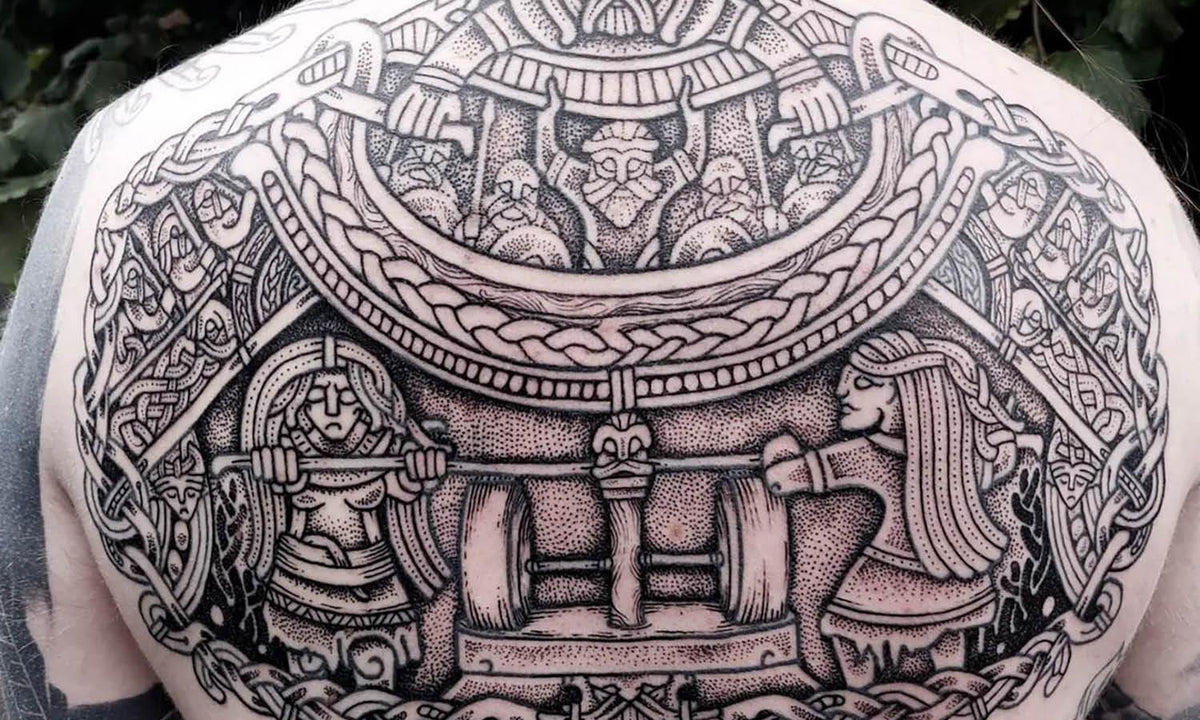
Long or narrow designs often fit naturally along the forearm, calf, or side of the leg. Wider compositions may work better on the shoulder, thigh, chest, or upper back.
Small symbols and compact illustrations can suit areas such as the wrist, ankle, or upper arm, provided the artwork does not contain too much fine detail.
The direction of the design matters as well. An artist may rotate or reposition the artwork so it follows the natural flow of your body.
Leave Enough Room for Detail
First-time clients sometimes assume a smaller tattoo is automatically easier. However, detailed designs often need more space than expected.
Fine lines positioned too closely together can become harder to read as the tattoo ages. Increasing the size slightly may allow the shapes, shading, and negative space to remain clearer.
Follow the Natural Lines of the Body
Your body is not a flat canvas. Muscles, joints, and curves influence how a tattoo looks from different angles.
A skilled artist can adjust the placement so the artwork follows these natural forms rather than fighting against them.
Think About Tattoo Size Before Choosing the Placement
Tattoo size and placement should be decided together. A location may look suitable at first but feel too restrictive once you see the design at its proper scale.
Small Tattoos Still Need Breathing Room
Even simple tattoos need enough space for the lines and shapes to remain readable. Shrinking an intricate design too much can remove visual clarity and limit what the artist can achieve.
If you want a very small tattoo, choosing a simpler design may work better than reducing a complex illustration.
Larger Areas Give You More Flexibility
The upper arm, thigh, calf, shoulder, and back provide more room for resizing. These placements are useful if you are unsure about the final dimensions because your artist can experiment with several options without being restricted by a narrow area.
They also leave more room if you later decide to add surrounding artwork.
Test Different Sizes Before Committing
Ask your artist to show you more than one stencil size when possible. A design that looks large on paper may feel surprisingly balanced once it is placed on the body.
Seeing the stencil in position is much more useful than imagining the final scale.
Consider How the Placement May Age
Your first tattoo placement should work not only on the day you get tattooed but also over the years that follow.
Friction and Frequent Exposure
Some body areas experience more rubbing and contact than others. Fingers, hands, feet, and areas frequently covered by tight clothing can be exposed to additional friction.
Depending on the style and location, these tattoos may require more maintenance or occasional touch-ups.
Sun Exposure
Sunlight can gradually affect tattoo pigments, especially on areas that are regularly exposed. Forearms, hands, lower legs, and shoulders may receive more sunlight than covered areas.
Once the tattoo has fully healed, consistent sun protection can help preserve its appearance.
Natural Body Changes
Bodies naturally change with age, weight fluctuations, and muscle development. Most tattoos adapt with these changes without becoming dramatically distorted.
Instead of worrying about every possible future change, choose a placement that feels appropriate for your body now and discuss any specific concerns with your artist.
Think About Healing and Everyday Practicality
Placement can influence how convenient the healing process feels. A little planning before the appointment can make the first several days considerably easier.
Clothing and Friction
Fresh tattoos can become irritated when repeatedly rubbed by tight clothing. Waistbands, bra straps, fitted trousers, socks, and shoes can all affect certain placements.
Think about what you normally wear and whether you can temporarily switch to looser clothing while the area heals.
Work and Daily Activities
Your job can also influence which placement is practical. Frequent handwashing, physical labor, uniforms, outdoor work, or equipment that presses against the skin may make some locations harder to protect.
If your routine involves a lot of movement or contact with the tattooed area, mention this to your artist before settling on a location.
Sleeping Comfort
Your normal sleeping position may matter during the early healing stage. A tattoo on your shoulder, side, back, or thigh can feel uncomfortable if you regularly sleep directly on that area.
You may need to adjust your position temporarily while the tattoo is fresh.
Use a Temporary Placement Test Before Deciding
If you are still uncertain about your first tattoo placement, testing the idea beforehand can make the decision much easier.
Try the Design at Home
Print the design at roughly the size you are considering, or sketch a simplified version on paper. Hold it against different areas of your body and compare how each placement feels.
Temporary tattoo paper can make the test even more realistic.
Check It With Different Clothing
Look at the placement while wearing clothes you normally use for work, weekends, and formal occasions.
You may discover that a tattoo you expected to be hidden is actually visible with certain outfits, or that another placement gives you more flexibility.
Look at It From Different Angles
Do not judge a placement only while standing still in front of a mirror. Sit down, bend your arm or leg, and move naturally.
A tattoo changes position with your body, so seeing it from several angles can help you decide whether the location feels balanced.
Ask Your Tattoo Artist for Placement Advice
You do not need to arrive at your appointment with every placement detail finalized. Your tattoo artist can help you refine the decision based on both the design and your anatomy.
Bring one or two locations you are considering and explain what matters most to you, such as visibility, comfort, or keeping space available for future tattoos.
Your artist may suggest adjusting the size, angle, or exact position so the design sits more naturally on the body. Even moving a stencil slightly can dramatically improve the composition.
At the same time, you should feel comfortable with the final choice. If the suggested location does not feel right, say so. A professional artist should be willing to reposition the stencil and discuss alternatives.
The strongest decision usually combines the artist's technical experience with your own preferences. You are the person who will live with the tattoo, so the placement should feel convincing before the needle ever touches your skin.
Frequently Asked Questions
What Is a Good Placement for a First Tattoo?
The outer upper arm, forearm, shoulder, calf, and outer thigh are popular options because they offer useful space and tend to be manageable for many first-time clients. The best placement still depends on your design, preferred visibility, comfort level, and everyday routine rather than following one universal recommendation.
Should My First Tattoo Be Somewhere Easy to Hide?
Not necessarily. Concealability matters if your workplace, lifestyle, or personal preferences make visibility a concern. An upper arm or thigh gives you more control, while a forearm tattoo may suit you better if you enjoy visible body art. Choose based on how comfortable you are seeing and showing the tattoo regularly.
Where Should I Avoid Getting My First Tattoo?
There are no areas that everyone must avoid, but placements such as the fingers, hands, feet, ribs, and sternum may involve more sensitivity, friction, or healing considerations. If you prefer one of these areas, discuss the potential challenges with your artist rather than automatically ruling it out.
Should I Choose the Tattoo Design or Placement First?
Either approach can work, but the two decisions should eventually be made together. A specific design may naturally fit certain areas, while choosing a placement first can influence the size, direction, and proportions of the artwork. Testing several stencil positions is often the easiest way to finalize both.
Conclusion
Choosing your first tattoo placement is about balancing appearance with practicality. Visibility, pain tolerance, design shape, size, healing, and long-term wear all deserve consideration, but no single factor should control the decision.
Compare a few suitable areas instead of choosing a placement simply because it is popular or believed to hurt less. Testing different stencil sizes and positions can also reveal what feels most natural. Ultimately, the best first tattoo placement should support the artwork technically while still feeling comfortable, personal, and right for you.
Related Articles









Leave a Comment