
How Much Should You Budget for Your First Tattoo?
Getting your first tattoo is exciting, but the price can be harder to predict than the design itself. The first tattoo cost depends on several factors, including size, complexity, placement, artist experience, studio location, and the amount of time required to complete the work.
For many first-time clients, the best approach is not to search for one standard tattoo price. Instead, build a budget around the artist's estimate and leave some room for additional expenses such as deposits, aftercare products, transportation, and tipping where customary.
A simple tattoo might require only a modest budget, while a larger or highly detailed piece can cost considerably more. Understanding how tattoo pricing works before booking helps you avoid surprises and makes it easier to choose an artist based on quality rather than simply looking for the cheapest option.
What Does a First Tattoo Usually Cost?
There is no universal price for a first tattoo because studios and artists calculate their rates differently. Some charge a fixed amount for smaller designs, while others work with hourly rates, especially for larger or more detailed pieces.
Many studios also have a minimum charge. This means even a very small tattoo can cost more than you might expect because the artist still needs to prepare the workspace, sterilize equipment, set up supplies, create or adjust the stencil, and complete proper cleanup afterward.
Small and Simple Tattoos
Small symbols, initials, minimalist designs, and basic linework often sit toward the lower end of an artist's pricing range. However, a tiny design does not necessarily mean an extremely low price because studio minimums can apply.
Medium and More Detailed Tattoos
Adding shading, color, intricate lines, or additional elements generally increases the appointment time. Medium-sized tattoos often require more preparation as well, especially when the artist needs to adapt the design carefully to the body's shape.
Larger First Tattoos
Larger pieces may be priced by the hour or divided into multiple sessions. If you are considering a substantial first tattoo, the complete cost can therefore extend well beyond the price of a small one-session design.
What Determines Your First Tattoo Cost?
Understanding what influences tattoo pricing makes it easier to judge whether an artist's quote is reasonable. Several factors usually contribute to the final amount.
Tattoo Size
Size is one of the most obvious pricing factors. Larger designs usually require more tattooing time, more ink, and additional preparation. However, size should not be considered alone because a small but extremely detailed tattoo can still take considerable time.
Design Complexity
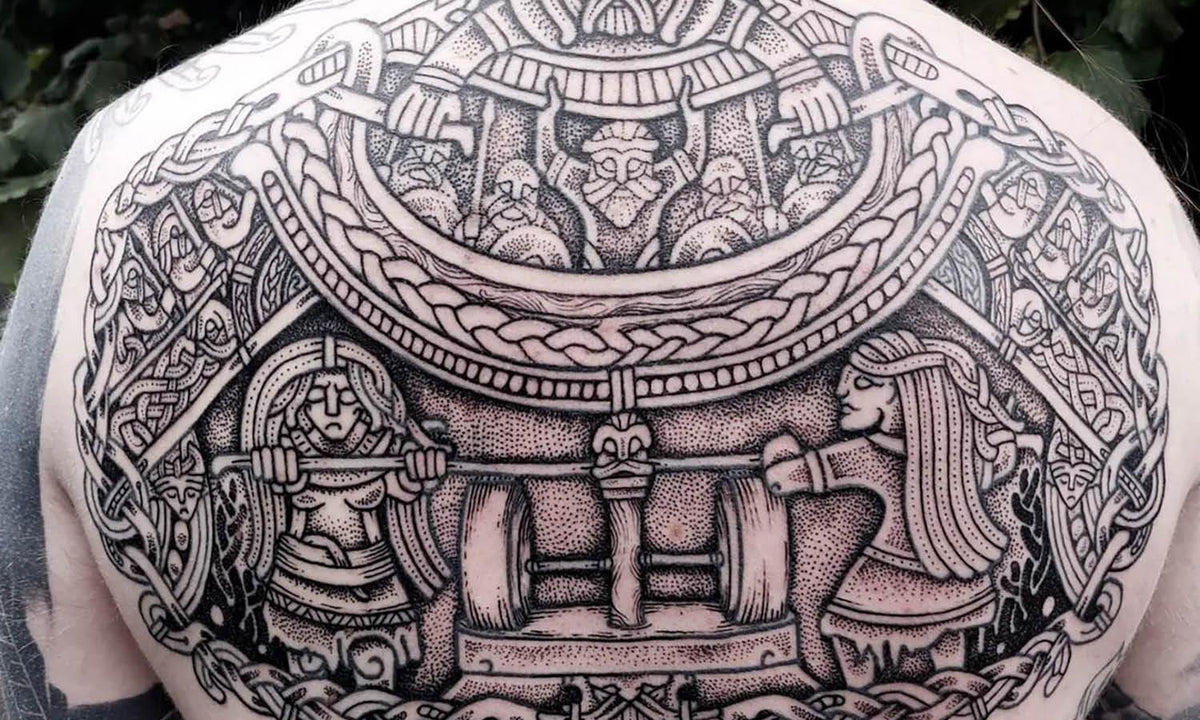
Complex artwork generally costs more than simple linework. Fine details, realistic shading, gradients, intricate geometric patterns, dense blackwork, and multiple colors can all extend the appointment.
An artist may also need additional drawing or preparation time before the tattoo begins.
Tattoo Placement
Some areas of the body are more challenging to tattoo than others. Curved surfaces, areas that move frequently, and placements around joints or difficult angles can require slower, more controlled work.
This does not mean every unusual placement automatically costs more, but it can affect the time needed to complete the design.
Artist Experience and Demand
Highly experienced tattoo artists often charge more, particularly when they have developed a recognizable style or have strong demand for appointments.
You are paying not only for time with the tattoo machine but also for the artist's technical skill, design judgment, experience, and ability to create work that heals and ages appropriately.
Studio Location
Tattoo prices can differ substantially between cities and countries. Studios in areas with higher rent and operating costs may charge more than studios in smaller or less expensive locations.
Because of this, tattoo prices you see online may not accurately reflect what artists charge in your area.
How to Build a Realistic First Tattoo Budget
A good tattoo budget should include more than the lowest estimated price. Giving yourself a little flexibility can make the booking and appointment much less stressful.
Start With the Artist's Quote
Ask your preferred artist or studio for an estimate before deciding how much to save. Provide useful information such as your desired size, placement, style, color preferences, and reference images.
Also ask whether the estimate is a fixed price, an hourly rate, or an approximate range.
Add a Small Financial Buffer
Quotes are sometimes estimates rather than guaranteed final prices. A design may take slightly longer than expected, or changes made during the consultation could increase the amount of work involved.
Keeping some extra money available gives you room for reasonable variations without creating unnecessary pressure during the appointment.
Keep Tattoo Money Separate
Try to have your tattoo budget fully available before booking rather than relying on money needed for rent, bills, or everyday expenses.
A tattoo is easier to enjoy when paying for it does not create financial stress afterward.
Ask About Payment Methods
Studios may accept different forms of payment, including cash, cards, or digital transfers. Some may also have additional policies regarding deposits or remaining balances.
Confirming payment expectations beforehand prevents an awkward surprise on appointment day.
Remember the Costs Beyond the Tattoo Itself
The amount quoted for the tattoo is not always the complete amount you will spend. Several smaller expenses can increase your overall first tattoo cost.
Booking Deposit
Many tattoo artists require a deposit before confirming an appointment. The deposit may be applied toward the final tattoo price, but policies vary.
Some deposits are non-refundable if you cancel late or fail to attend, so make sure you understand the studio's booking rules before paying.
Artist Tip
Tipping practices differ between countries and cultures. In some places, tipping tattoo artists is common, while in others it is less expected.
Instead of assuming that a specific percentage is required everywhere, consider local customs and studio norms when planning your budget.
Aftercare Products
Proper aftercare may involve purchasing a gentle cleanser, moisturizer, protective film, or other products recommended by your artist.
You generally do not need an enormous collection of products, but setting aside a small amount for aftercare is sensible.
Transportation and Other Expenses
Travel costs can also matter, particularly if you are visiting an artist in another part of your city or traveling to another region.
Parking, public transportation, meals, or accommodation can turn a seemingly affordable tattoo into a more expensive overall appointment.
Should You Choose a Cheaper Tattoo Artist for Your First Tattoo?
Price matters, but choosing the lowest quote should not be your main strategy.
Tattooing is permanent, and correcting poor work can be difficult, expensive, or sometimes impossible without removal or extensive cover-up work. A lower price is not automatically a warning sign, but it should always be considered alongside the artist's portfolio, professionalism, hygiene standards, and experience.
Compare Value Rather Than Price Alone
Look for an artist whose previous work matches the style you want. Someone who regularly creates the type of tattoo you are requesting may be a better investment than a cheaper artist with little relevant experience.
Review healed work where possible, not only fresh tattoos photographed immediately after the appointment.
Be Careful With Prices That Seem Unusually Low
If a quote is dramatically lower than other comparable artists, take time to understand why.
Check the artist's portfolio, studio environment, hygiene practices, and professional reputation. Saving money is useful, but compromising basic safety or workmanship to reduce your first tattoo cost is rarely worthwhile.
How Much Should You Save Before Booking?
The safest way to determine your budget is to choose an artist first and request an estimate based on your actual design.
Generic online price ranges can be useful for planning, but they cannot account for every artist's rates or your specific tattoo.
Get an Estimate Before Setting Your Final Budget
Send the artist clear information about the design, approximate dimensions, placement, and style. The more specific you are, the easier it is for the artist to provide a meaningful estimate.
Budget Above the Expected Price
Your savings should ideally cover the quoted tattoo price plus any additional costs you already know about, including deposits, transportation, and aftercare.
Leaving a little extra flexibility also helps if the appointment takes longer than originally estimated.
Avoid Stretching Your Budget Too Far
If your preferred artist is currently beyond what you can comfortably afford, waiting and saving more is often better than immediately switching to someone you do not trust.
You can also ask whether reducing the size or simplifying certain details would make the tattoo more affordable without compromising the overall concept.
Common First-Tattoo Budgeting Mistakes
First-time clients sometimes underestimate costs because they focus entirely on the size of the design.
One common mistake is assuming that a very small tattoo should cost almost nothing. Studio minimum charges mean even tiny designs require a basic investment.
Another mistake is budgeting only for the amount quoted by the artist. Deposits, aftercare products, transportation, and other small expenses can add up.
Changing the tattoo significantly at the last minute can also affect the price. Increasing the size, adding color, or requesting more detail may require additional time.
Finally, avoid booking before understanding the artist's pricing structure. Ask about minimum charges, hourly rates, deposits, estimated session length, and payment policies in advance. Knowing these details makes it much easier to arrive prepared and prevents price concerns from distracting you during your first tattoo experience.
Frequently Asked Questions
How Much Money Should I Bring for My First Tattoo?
Bring enough to cover the artist's quoted price or estimated upper range, along with any additional amount you expect to spend on transportation, aftercare, or tipping where customary. Confirm the studio's accepted payment methods beforehand so you are not relying on a card or transfer option they do not accept.
Why Can a Very Small Tattoo Still Be Expensive?
Many tattoo studios have minimum charges because every appointment requires preparation, sterilization, disposable supplies, stencil work, equipment setup, and cleaning. These costs exist even when the tattoo itself takes only a short time, so a tiny design will not necessarily be priced in direct proportion to its size.
Is It Better to Pay Hourly or a Fixed Price for a First Tattoo?
Neither pricing system is automatically better. Fixed pricing can work well for straightforward designs with predictable completion times, while hourly pricing is common for larger or more complex work. What matters most is understanding the artist's rate, estimated duration, and what circumstances could cause the final price to change.
Should I Include Aftercare Products in My Tattoo Budget?
Yes. Aftercare is part of the overall tattoo expense, even though the amount is usually small compared with the tattoo itself. Your artist may recommend a gentle cleanser, moisturizer, dressing, or other product. Follow their instructions and budget for what you actually need rather than purchasing unnecessary extras.
What Should I Do if My Preferred Tattoo Artist Is Over My Budget?
Consider saving for longer before booking. You can also ask whether adjusting the size or simplifying the design would reduce the cost without losing its main character. Choosing an artist purely because they are cheaper can be a poor trade-off when the tattoo will remain on your body permanently.
Conclusion
Your first tattoo cost depends on much more than the size of the design. Artist experience, complexity, placement, studio pricing, deposits, aftercare, and additional expenses can all influence how much you ultimately spend.
The most reliable approach is to choose an artist whose work you trust, request a clear estimate, and save slightly more than the expected total. Avoid treating price as the only deciding factor. A first tattoo should feel like a thoughtful investment in artwork you will be comfortable wearing for years, not a purchase that forces you to compromise on quality or financial stability.
Related Articles







Leave a Comment