
Fine Line vs. Bold Line Tattoos: Which Style Ages Better?
Choosing between delicate linework and heavier outlines is often an aesthetic decision, but longevity matters too. When comparing fine line vs bold line tattoos, bold linework generally has an advantage when it comes to maintaining clear definition over many years. Thicker lines have more visual strength, so gradual softening, fading, and minor ink spread tend to affect their readability less noticeably.
That does not mean fine line tattoos are destined to age badly. A carefully designed fine line tattoo can stay elegant for years when it is created at an appropriate size, given enough breathing room, and placed thoughtfully on the body. Artist technique, sun exposure, skin changes, and aftercare all influence the final result.
Understanding how each style changes over time makes it easier to choose the line weight that fits both your preferred look and your expectations for long-term wear.
What Makes Fine Line and Bold Line Tattoos Different?
The biggest difference between fine and bold tattoo styles is the visual weight of the linework. That seemingly simple distinction influences how a tattoo looks when fresh and how well individual details remain visible as the skin and ink gradually change.
Fine Line Tattoos
Fine line tattoos use thin, delicate strokes to create detailed imagery with a lighter visual presence. The style is often associated with minimalist designs, flowers, portraits, ornamental details, lettering, tiny symbols, and subtle illustrative work.
Because the lines are so narrow, artists can create intricate details without making the tattoo feel visually heavy. This delicate appearance is one of the style's biggest attractions.
However, narrow strokes provide less margin for change. If a fine line becomes slightly lighter or softer over time, the difference may be more noticeable than it would be in a heavier outline.
Bold Line Tattoos
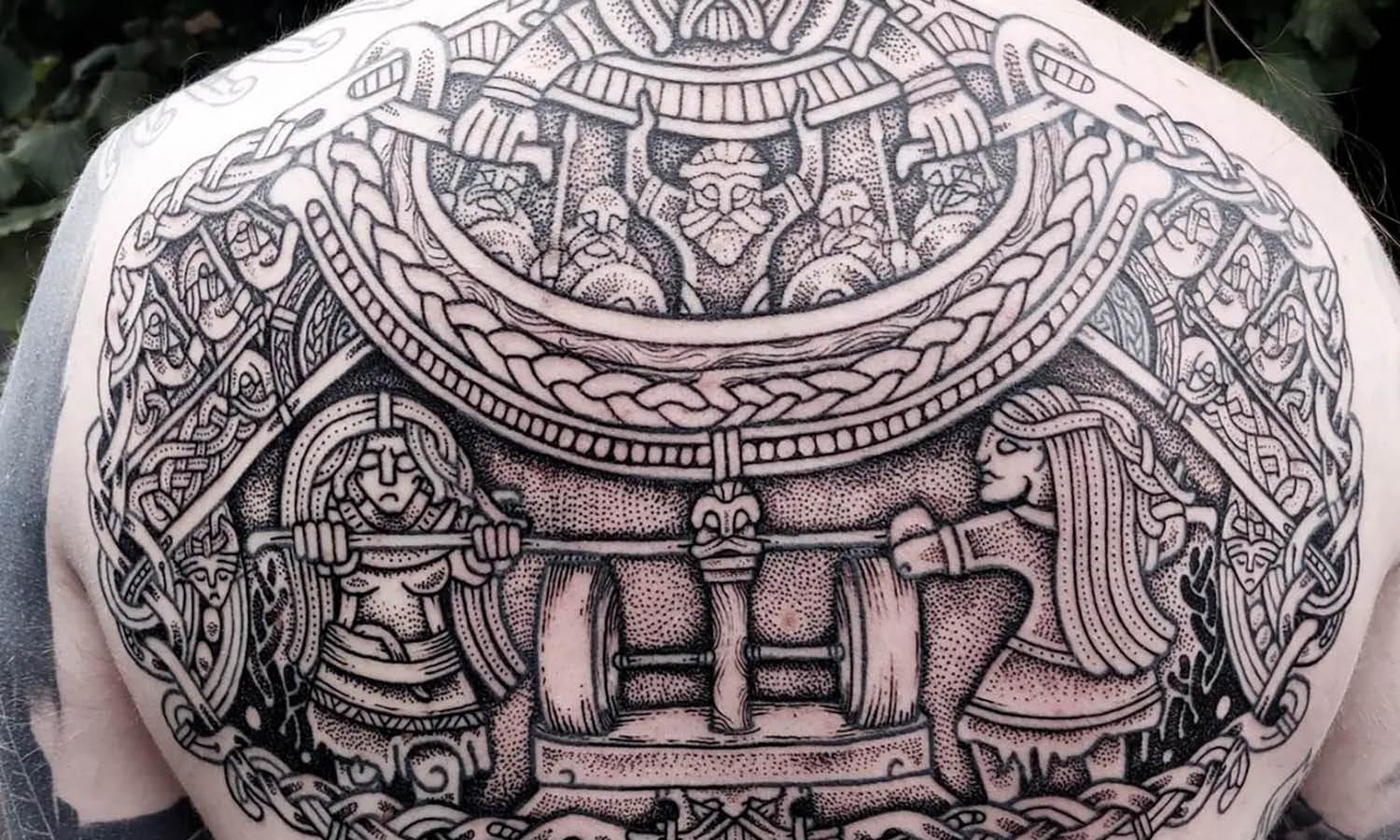
Bold line tattoos rely on thicker outlines and stronger visual contrast. They appear frequently in traditional tattooing, graphic illustrations, simplified symbols, and designs built around clearly defined shapes.
The thicker line weight gives the artwork a strong structure. Even when edges gradually soften with age, the basic shape usually remains easy to recognize.
For readers primarily concerned about longevity and readability, this extra visual weight is one reason bold linework often performs more predictably over time.
Why Tattoo Lines Change as They Age
No tattoo remains exactly as sharp as it looked immediately after healing. Tattoo pigment sits within living skin, so natural biological and environmental changes gradually affect its appearance.
Over many years, lines may soften slightly, colors can become less intense, and extremely small details may become harder to distinguish.
Natural Ink Movement
Tattoo pigment does not stay locked into perfectly precise boundaries forever. As skin cells change and the body interacts with pigment particles, lines can gradually appear a little softer.
The effect is usually subtle, but it matters more when several extremely thin lines are placed close together. Small negative spaces can become less obvious, making intricate areas look denser than they originally did.
Skin Changes
Skin naturally changes in thickness, elasticity, and texture with age. Weight fluctuation, muscle development, pregnancy, scarring, and normal aging can also influence how a tattoo sits on the body.
These changes affect both fine and bold tattoos, although tiny details may reveal distortion more quickly.
Environmental Exposure
Sunlight is one of the most important external factors affecting tattoo appearance. Frequent ultraviolet exposure can gradually reduce pigment intensity and contrast.
A tattoo that receives regular sun exposure without protection may fade faster regardless of whether its lines are delicate or heavy.
How Fine Line Tattoos Tend to Age
Fine line tattoos are valued for their subtlety, but that same delicacy means the design often needs more thoughtful planning if long-term definition is important.
The quality of aging depends less on the label "fine line" itself and more on how appropriately the design has been constructed.
Delicate Details Can Lose Definition
Extremely small lettering, tiny facial features, narrow gaps, and closely packed lines can become harder to distinguish as the tattoo matures.
This is especially relevant with micro tattoos, where several visual elements may occupy a very small amount of skin. If the original design leaves almost no room between neighboring details, even minor softening can change its appearance.
A well-designed fine line tattoo usually allows enough negative space for the artwork to remain readable.
Size Matters
Making a design slightly larger can significantly improve its chances of aging well.
More space allows fine lines to remain visually separated even after their edges soften. It also gives small details room to breathe rather than forcing an entire illustration into an area too small for its complexity.
If you love delicate tattoo styles, increasing the scale modestly may preserve the same elegant aesthetic while improving longevity.
Technique Makes a Major Difference
Fine line work requires control over depth, pressure, spacing, and consistency.
Ink placed too shallowly may heal lighter or disappear in certain areas. Ink deposited too deeply may spread beyond its intended boundary, creating a blowout.
Choosing an artist with a strong portfolio of healed fine line tattoos is especially valuable because freshly finished work does not always reveal how a technique performs over several years.
How Bold Line Tattoos Tend to Age
Bold line tattoos generally have more tolerance for gradual changes because they begin with greater visual weight.
Instead of relying on extremely precise hairline strokes, they use stronger contours that can remain recognizable even after normal softening occurs.
Stronger Lines Preserve Readability
A thick outline can lose some crispness without losing its overall identity.
For example, a bold flower, animal, or traditional motif may still have a clearly readable silhouette years later even if its edges are not as razor-sharp as when it was new.
This is the main reason bold linework is commonly associated with good long-term legibility.
Simple Designs Often Hold Up Well
Bold tattoos tend to perform particularly well when they combine strong outlines with uncomplicated shapes and adequate spacing.
Designs do not need to be extremely simple, but each important element should have enough separation from neighboring lines.
Strong contrast also allows the eye to recognize the overall composition before noticing smaller changes in individual details.
Too Much Ink Can Still Cause Problems
Bold does not automatically mean indestructible.
Very thick lines packed tightly together can eventually appear crowded as the tattoo softens. Large areas of dense pigment may also lose subtle separation if the original artwork lacks enough negative space.
Good tattoo design therefore requires balance. A successful bold tattoo uses thicker outlines without allowing the composition to become unnecessarily cramped.
Fine Line vs. Bold Line Tattoos: Which Ages Better?
When comparing fine line vs bold line tattoos purely from the perspective of long-term readability, bold line tattoos generally have the advantage.
Thicker strokes can tolerate some fading and softening while remaining clearly visible. Fine line tattoos have less visual margin, so changes that would be barely noticeable in a heavy outline can have a stronger effect on delicate details.
However, line thickness is only one part of the equation.
When Fine Line Tattoos Can Age Beautifully
Fine line tattoos can remain attractive when the composition is properly planned. Good candidates usually have sufficient spacing, a sensible size, and details that are not dependent on microscopic precision.
Placement also helps. An area that experiences less friction and sun exposure may give delicate work a better environment for maintaining its appearance.
Choosing a specialist who understands how fine line tattoos heal is equally important.
When Bold Line Tattoos Have the Clear Advantage
Bold linework is especially useful when the tattoo depends heavily on recognizable outlines or a strong silhouette.
It may also be a safer choice for designs intended to remain readable from a distance or for artwork with simple graphic shapes.
Ultimately, longevity should guide the design rather than completely control it. A tattoo you dislike aesthetically is not automatically a better choice simply because its lines are thicker.
The strongest result comes from balancing the style you enjoy with realistic expectations about how that particular design may change.
Placement Can Change the Outcome
Placement affects how tattoo lines age because different areas of the body experience different amounts of movement, friction, washing, and sun exposure.
A delicate design in a relatively protected location may age differently from an identical tattoo placed somewhere that receives constant wear.
Lower-Wear Areas
Areas that experience less frequent rubbing or environmental exposure can be friendlier to delicate details.
The upper arm, thigh, back, and other relatively protected areas may provide more stable conditions than places constantly interacting with clothing, water, or surfaces.
Individual skin characteristics still matter, so no placement guarantees a particular result.
High-Wear or High-Movement Areas
Hands, fingers, feet, elbows, knees, and similar locations can be more challenging for extremely delicate linework.
These areas may experience frequent movement, friction, washing, or contact with external surfaces. Fine details can therefore become less consistent or require maintenance sooner.
Bold linework can sometimes tolerate these conditions more visibly, although even thicker tattoos can fade.
Sun Exposure
A frequently exposed tattoo may lose contrast more quickly if it receives repeated UV exposure.
Protecting healed tattoos from excessive sun can help both fine and bold linework maintain stronger visual definition over time.
How to Choose Between Fine and Bold Lines
The best choice depends on the appearance you want now and how you feel about natural changes later.
Neither style is automatically right for every person or every design.
Choose Fine Line If…
Fine line work may suit you if you prefer subtle, understated tattoos with delicate visual detail. It is especially appealing for designs intended to feel light rather than graphic or heavily outlined.
It also helps if you are comfortable with the possibility that very delicate areas could eventually benefit from a touch-up.
Most importantly, choose an artist who regularly produces the type of fine line work you want and can show healed examples.
Choose Bold Line If…
Bold lines may be a better fit if long-term clarity is one of your highest priorities.
They work especially well for designs based on strong silhouettes, defined shapes, and graphic contrast.
If you like tattoos that remain visually noticeable from farther away, thicker outlines can also support that goal.
Your tattoo artist can often adjust line weight, spacing, and scale so the design keeps its character without becoming heavier than you want.
Frequently Asked Questions
Do Fine Line Tattoos Fade Faster Than Bold Line Tattoos?
Fine line tattoos can appear to fade faster because narrow strokes have less visual weight, making small changes more noticeable. However, fading also depends on pigment application, placement, sun exposure, skin characteristics, and aftercare. A professionally executed fine line tattoo can remain attractive for many years.
Do Fine Line Tattoos Always Need Touch-Ups?
No. Some fine line tattoos heal evenly and remain clear without requiring additional work. Touch-ups may become more likely when a tattoo contains extremely tiny details or sits in a high-friction location. Whether one is needed depends on how the individual tattoo heals and changes over time.
Can Bold Line Tattoos Blur Over Time?
Yes. Bold tattoo lines can gradually soften just like thinner lines. Their advantage is that they usually remain visually readable despite some spreading. Proper spacing is still important because very thick lines positioned too close together can eventually make separate details appear less distinct.
What Tattoo Style Is Best If Longevity Is My Main Concern?
If maximum long-term readability is your priority, bold and well-spaced linework is generally the safer choice. Thicker lines tolerate gradual softening more effectively. Fine line work can still age well, but its design, scale, placement, and execution usually require more careful consideration.
Conclusion
In the comparison of fine line vs bold line tattoos, bold linework generally has the edge for long-term clarity because thicker strokes remain readable even as tattoos naturally soften. Fine line designs, however, can still age beautifully when they are properly sized, carefully spaced, and executed by an experienced artist. Placement, sun protection, skin changes, and design complexity also influence the final result. Rather than choosing line weight based only on longevity, consider how the style supports the artwork you genuinely want. A thoughtful design can balance delicacy, durability, and personal taste.
Related Articles









Leave a Comment