
Chanel Logo Design: History & Evolution
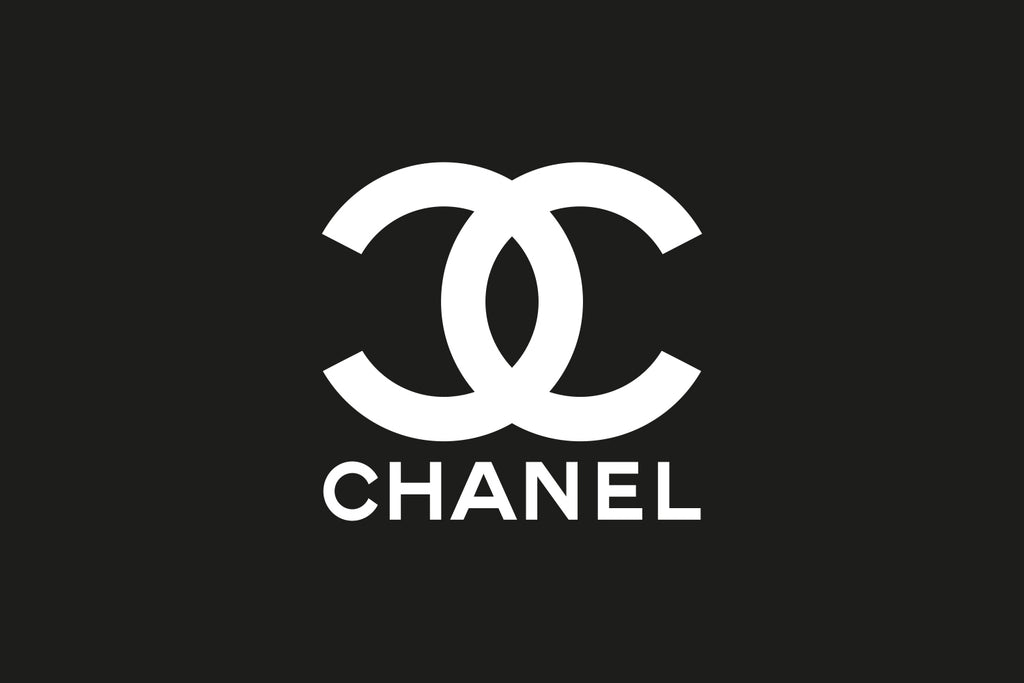
Image Courtesy of Chanel
Within the wider study of fashion luxury logo history, the Chanel logo design is one of the most recognizable symbols in luxury fashion. Elegant, balanced, and timeless, the iconic double “C” emblem reflects sophistication, independence, and modern femininity. From its early 20th-century origins to its place on today’s runways, packaging, and accessories, the Chanel logo remains a masterclass in minimalist visual identity.
Founded by Gabrielle “Coco” Chanel, the brand revolutionized women’s fashion with a philosophy centered on simplicity and impact. Unlike many luxury houses that frequently update their identities, Chanel has preserved the essence of its logo for decades, strengthening recognition and transforming the interlocking Cs into a global status symbol.
This article explores the history and evolution of the Chanel logo design, its inspiration, meaning, and lasting influence while placing it within the broader study of brand logo history.
Chanel Logo Design History
1909 - Present
The Chanel logo design has become synonymous with elegance, comfort, and chic. Its simple black-and-white identity reflects Coco Chanel’s vision and communicates the refined restraint that defines the fashion house.
The Chanel logo consists of a logotype and the famous emblem, which can be used together or separately. The emblem features two mirrored, intertwined letters “C,” representing “Coco Chanel.” Its balanced forms, clean contours, and careful spacing give the symbol a distinctive and polished appearance.
Since the 1920s, the double-C emblem has appeared across Chanel products, including perfume, fashion, handbags, jewelry, and accessories. Whether presented with or without additional framing, the design remains immediately recognizable.

Image Courtesy of Chanel
Who Created The Original Chanel Logo Design
The story of the Chanel logo design begins with Gabrielle “Coco” Chanel herself. Unlike fashion houses that rely on branding agencies, the original Chanel logo design is widely credited to the founder, whose creative vision shaped both the fashion and visual identity of the brand.
Introduced in the 1920s, the famous interlocking double “C” monogram represents Coco Chanel’s initials. The mirrored letters form a balanced, symmetrical emblem that reflects Chanel’s philosophy of simplicity, clarity, and quiet confidence. At a time when decorative excess was common, its restraint gave the identity unusual strength.
Several theories surround the inspiration behind the Chanel logo design. Some suggest Coco was influenced by decorative motifs at the Château de Crémat, where similar interlocking forms appear. Others connect the symbol to geometric patterns associated with Aubazine Abbey. These ideas remain theories rather than definitive explanations, but they illustrate the visual influences often associated with Chanel’s aesthetic.
What makes the logo particularly remarkable is its consistency. While many luxury brands periodically refresh their identities, Chanel has retained the essential double-C design. Its monochrome presentation reinforces sophistication, while its geometry provides clarity and authority across different applications.
By placing her initials at the center of the identity, Coco Chanel created a mark closely tied to her personal legacy. On handbag clasps, perfume bottles, jewelry, and fashion pieces, the double Cs function as both branding and signature.
Continue Reading
- Gucci Logo Design: History & Evolution
- Hermès Logo Design: History & Evolution
- Louis Vuitton Logo Design: History & Evolution
- Marc Jacobs Logo Design: History & Evolution
- Michael Kors Logo Design: History & Evolution
What Inspired the Chanel Logo?
Coco Chanel’s Initials
The clearest interpretation is also the simplest: the two Cs refer to Coco Chanel.
Using initials as a monogram was hardly unusual, particularly in luxury goods. What made Chanel’s version memorable was how effectively those initials were transformed into a balanced graphic device.
Instead of placing the letters side by side, the design mirrors and interlocks them. The result feels like both typography and ornament, allowing the founder’s identity to become a repeating decorative motif without losing its readability.
The Château de Crémat Theory
One frequently repeated explanation links the emblem with Château de Crémat near Nice.
Accounts of the château describe Coco Chanel as a visitor during the 1920s and point to decorative intertwined-C motifs found there as a possible source of inspiration. The resemblance has helped make the story one of the best-known theories surrounding the logo.
However, resemblance does not provide definitive proof of the design process. It is more accurate to describe Château de Crémat as a proposed influence than as the conclusively established origin of the Chanel logo.
Aubazine and Other Proposed Influences
Another theory looks further back to Chanel’s youth at Aubazine, where she spent part of her childhood.
Various interpretations have suggested that geometric patterns or interlocking forms encountered there could later have influenced her visual vocabulary.
These possibilities add intrigue to the story, but the important distinction for readers is between biography and proof. Chanel was connected with these places; whether one particular architectural motif directly produced the double-C design remains open to interpretation.
The Meaning Behind the Chanel Logo Design
Symmetry and Simplicity
From a design perspective, the double-C succeeds because very little is happening visually.
Two similar shapes create repetition. Their opposing directions establish symmetry. Their overlap produces a central intersection, while the surrounding open spaces prevent the symbol from becoming visually heavy.
That makes the emblem easy to recognize at very different sizes.
A logo on the clasp of a handbag and the same symbol on a storefront need very different physical dimensions, yet the underlying silhouette remains identifiable. This ability to scale is one reason simple geometric marks can become exceptionally durable.
A Symbol of Chanel’s Design Philosophy
The logo also feels compatible with the larger visual language Chanel established.
Rather than competing with Chanel products through excessive visual detail, the monogram is controlled and direct.
For designers, this is an important distinction. A luxury logo does not need to look complicated to communicate sophistication.
Chanel demonstrates how restraint itself can become a recognizable characteristic.
Why the Logo Feels Luxurious
There is nothing inherently expensive about two letterforms. Their luxury value comes from what the symbol has accumulated around them.
Decades of couture, accessories, fragrance, craftsmanship, advertising, and controlled presentation have connected the double C with the Chanel name. Repetition strengthens recognition, while selective placement helps maintain its prestige.
The lesson is useful beyond fashion: logos rarely create brand meaning entirely on their own. They become powerful when a distinctive mark is repeatedly connected with a consistent experience.
How Chanel Uses Its Logo Today
Fashion, Accessories, and Jewelry
One reason the double C works particularly well in fashion is its ability to become part of the product itself.
On handbags, the emblem can function as hardware or a closure rather than merely as a printed identifier. It can appear as a pendant, earring, brooch, fastening, buckle, or decorative detail.
In these situations, branding and product design become closely connected.
That gives the logo a physical presence many corporate identities never need to achieve.
Fragrance, Beauty, and Packaging
On fragrance and beauty products, the approach can be more restrained.
A simple black mark against a clean surface can communicate the brand without overwhelming the packaging. The Chanel name, double-C emblem, bottle structure, typography, and generous use of visual space work together as a broader identity system.
This reinforces another design lesson: a famous logo does not have to dominate every application.
Recognition can sometimes become stronger when the mark is used with confidence and restraint.
Digital and Contemporary Applications
The double-C also translates naturally to digital environments.
Its relatively simple silhouette remains recognizable when scaled down, which is useful for websites, social imagery, campaign graphics, and other compact formats.
A mark created long before smartphones can therefore operate comfortably in contemporary interfaces without requiring a completely new concept.
Why the Chanel Logo Has Barely Changed
Recognition Built Through Consistency
Consistency creates familiarity, and familiarity can become an enormous brand asset.
After generations of exposure, changing the basic Chanel symbol dramatically could sacrifice recognition that took decades to build. Remaining consistent allows each new product and campaign to reinforce the same visual memory rather than starting again.
This helps explain why long-lived logos can eventually function almost like signatures.
Timeless Geometry
The logo also avoids many details that would strongly tie it to one design period.
There is no complicated illustration, fashionable gradient, detailed coat of arms, or decorative effect required for the mark to work. Its character comes primarily from the relationship between two letterforms.
That makes the underlying idea unusually adaptable.
A Lesson in Long-Term Brand Identity
For designers studying Chanel logo history, perhaps the most useful lesson is that timelessness cannot simply be added through a redesign.
A durable identity needs a recognizable concept, clear construction, flexibility, and enough discipline to be used consistently.
Chanel’s double C demonstrates what can happen when a simple visual idea is allowed to gather meaning over time. Instead of chasing every aesthetic trend, a brand can strengthen recognition by protecting the distinctive elements it already owns.
Frequently Asked Questions
When Was the Chanel Logo Created?
The interlocking double-C monogram is generally associated with Chanel’s identity from the 1920s, with many secondary histories placing its introduction in the middle of the decade. Chanel’s earlier milestones include Chanel Modes in 1910 and Chanel N°5 in 1921, while the exact first appearance of the monogram is less clearly established.
What Do the Two Cs in the Chanel Logo Mean?
The two mirrored Cs are widely understood to represent Coco Chanel, the name used by Gabrielle Chanel. Their interlocking arrangement transforms her initials into a symmetrical monogram. Other theories propose additional visual influences, but the connection between the letters and Chanel’s name remains the logo’s most straightforward interpretation.
Did Coco Chanel Design the Chanel Logo Herself?
The double-C emblem is commonly attributed to Coco Chanel, but detailed documentation explaining exactly how she developed its final form is limited. Several stories propose inspiration from locations she knew, including Château de Crémat. These are best understood as theories unless supported by stronger historical evidence.
Has the Chanel Logo Ever Changed?
Its core interlocking-C concept has remained remarkably consistent. What has changed more noticeably is how the identity is presented through typography, advertising, packaging, product hardware, materials, and digital applications. Rather than repeatedly replacing its famous emblem, Chanel has generally allowed changing contexts to give the established symbol a contemporary appearance.
Conclusion
The Chanel logo history shows how a remarkably simple idea can become a lasting visual asset. Two opposing Cs created a memorable connection to Coco Chanel while providing a flexible symbol that could move from perfume packaging to handbags, jewelry, boutiques, and digital media. Although the exact inspiration behind the monogram continues to invite competing theories, its identity today is unmistakable. Its longevity also offers designers a valuable lesson: strong branding does not always require constant redesign. Sometimes clarity, distinctiveness, disciplined application, and decades of consistency are what ultimately make a logo timeless.
You May Also Like
- Dior Logo Design: History & Evolution
- Dolce & Gabbana Logo Design: History & Evolution
- Emporio Armani Logo Design: History & Evolution
- Fendi Logo Design: History & Evolution
- Givenchy Logo Design: History & Evolution
Let Us Know What You Think!
Every information you read here are written and curated by Kreafolk's team, carefully pieced together with our creative community in mind. Did you enjoy our contents? Leave a comment below and share your thoughts. Cheers to more creative articles and inspirations!
Related Articles







Leave a Comment