
20th Century Studios Logo Design: History & Evolution
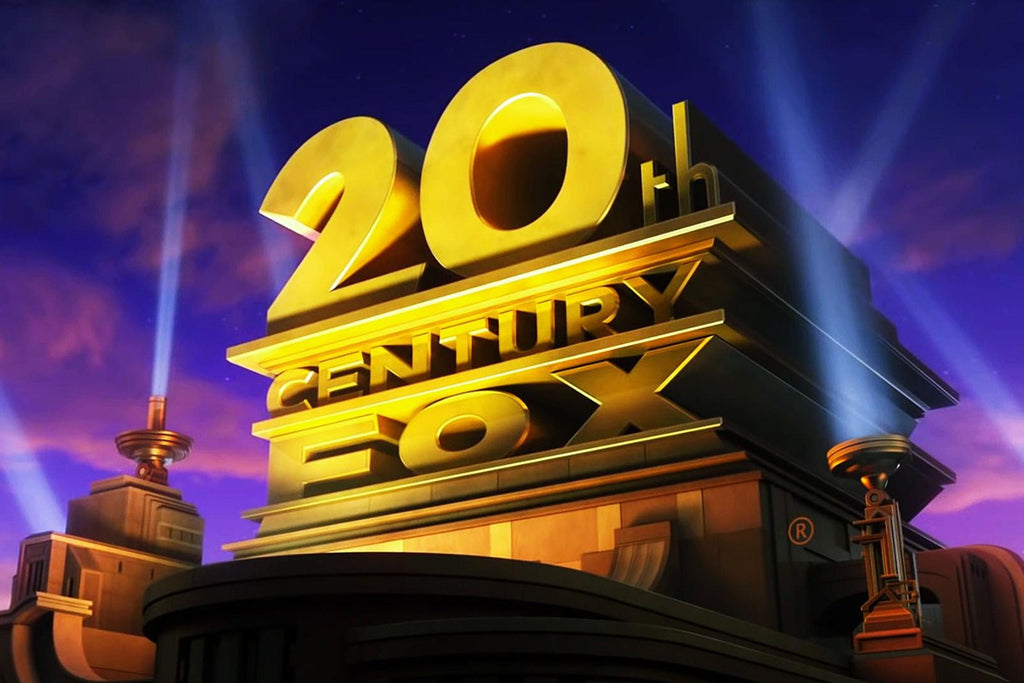
Image Courtesy of 20th Century Studios
The story of 20th Century Studios is inseparable from its iconic logo design, one of film history’s most recognizable symbols. More than a title card, it represents cinematic ambition, storytelling, and Hollywood legacy while reflecting the design of each era. Its monumental architecture, dramatic lighting, and ceremonial presentation prepare audiences for the experience ahead.
This article traces 20th Century Studios logo design within entertainment logo history. Typography, structure, lighting, and animation changed with film technology and audience expectations, but familiar elements kept the identity timeless and adaptable.
From 20th Century Fox to today’s 20th Century Studios identity, its evolution shows designers and film enthusiasts how consistency and innovation can build lasting recognition. Examining that evolution reveals how a strong visual identity can transcend generations and define a brand through industry change.
How the 1935 Merger Established an Icon
In 1935, Twentieth Century Pictures merged with Fox Film Corporation to create Twentieth Century-Fox Film Corporation. The studio adapted the existing Twentieth Century Pictures monument rather than designing a new identity.
“Pictures” became “Fox,” fitting naturally into the lower level and giving the new company an established cinematic image. Painted artwork, layered glass, controlled lighting, and frame-by-frame searchlights created the early monument. In black and white, bright beams cut dramatically through the dark sky.
Repeated theatrical appearances linked the logo with music, anticipation, spectacle, and storytelling, turning it into part of the moviegoing ritual. Audiences experienced it at the emotional threshold between the theater and the film, which strengthened associations that ordinary corporate applications could not create.
CinemaScope Reshapes the Logo for Widescreen
CinemaScope’s 1953 widescreen format required a recomposed logo because stretching the Academy-format design would distort its balance. Rocky Longo of Pacific Title broadened the architecture, rebalanced the lettering, expanded the sky for the searchlights, and tilted the “0” in “20th” to suit the wider frame.
The redesign used the added space to strengthen the monument’s scale while preserving its identity. Instead of merely filling an expanded canvas, Longo treated the wide frame as an opportunity to make the entire environment feel more cinematic.
The fanfare also gained an extended ending, reinforcing CinemaScope as a new theatrical experience. This chapter of 20th Century Studios logo history shows how an identity can be recomposed for a new medium without replacing its defining elements.
20th Century Studios Logo Design History
1935 - 1968
In 1935, artist Emil Kosa Jr. created the original 20th Century Fox emblem, an influential chapter in brand logo history. Its bold, three-tier structure expressed strength, ambition, and cinematic grandeur. Horizontal lines divided the enlarged “20th,” all-capital “Century,” and “Fox,” creating clear hierarchy and architectural solidity.
A three-quarter angle added depth and movement, while white lettering, dark outlines, and shadows produced a screen-ready three-dimensional effect. The low viewpoint made the structure appear imposing, and the orderly tiers kept the company name immediately legible. This composition established a visual hierarchy that shaped later versions.

Image Courtesy of 20th Century Studios
1945 - 1972
In 1945, the studio replaced its dimensional architecture with a simpler badge that remained in use for 27 years and became associated with its mid-century films. The flat monochrome emblem removed shadows and depth. An enlarged “20th” preserved hierarchy above the all-capital “Century Fox.” Bold, classically proportioned sans-serif lettering conveyed confidence and remained legible across media.
This phase of 20th Century Studios logo design showed that minimalism could modernize the identity without sacrificing recognition. The flatter treatment also made the emblem versatile enough to remain clear in different sizes and applications.
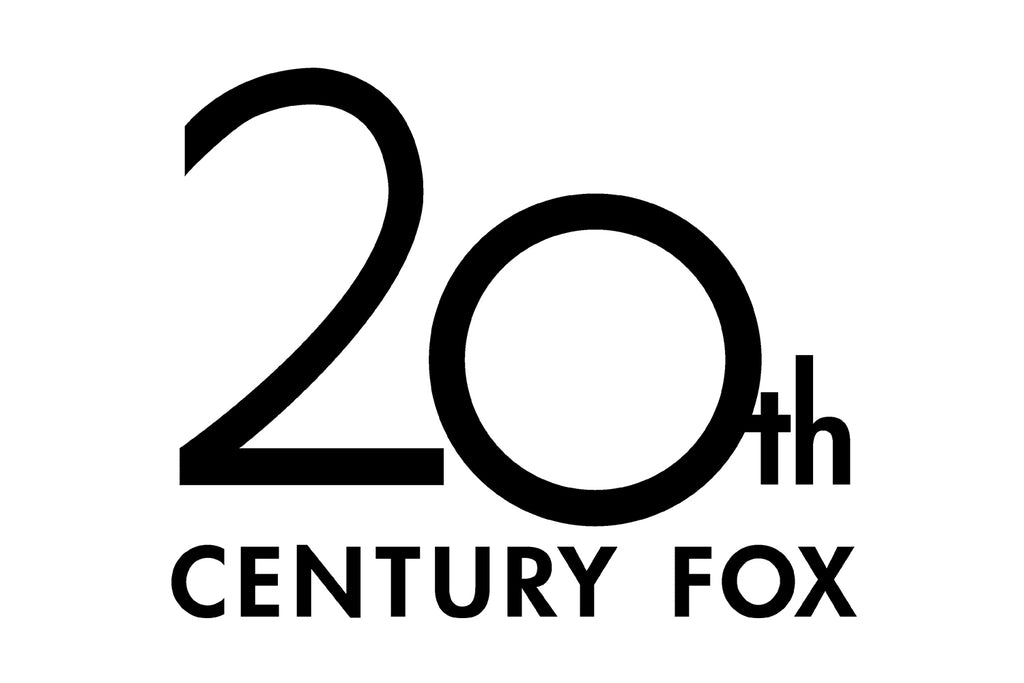
Image Courtesy of 20th Century Studios
1972 - 1982
In 1972, the three-story structure returned in a refined form, reconnecting the brand with its architectural identity while balancing nostalgia and modern design. A double frame with a subtle upper arch added definition, softened the geometry, and unified the emblem across formats. Cleaner sans-serif lettering replaced heavier styles, improving readability while preserving the logo’s bold presence.
By updating its framing and typography, the studio refreshed a familiar idea without losing its iconic character. The result felt contemporary for the 1970s while maintaining the scale and hierarchy audiences associated with the brand.

Image Courtesy of 20th Century Studios
1982 - 1994
In 1982, Landor Associates reimagined the emblem and established the foundation for its familiar cinematic presentation. A black background increased contrast, while two bright searchlights added movement, atmosphere, and theatrical flair. Lighting, shadow, and depth made the structure feel grand and immersive, strengthening its association with cinematic spectacle.
These durable elements influenced later adaptations, demonstrating how a strong concept can evolve without losing its identity. The redesign turned the emblem into a brief cinematic scene and aligned its production quality with changing audience expectations.

Image Courtesy of 20th Century Studios
1987 - 2020
In 1987, the studio strengthened rather than replaced its emblem, creating a more confident version that endured for over three decades. Bolder, more defined letterforms improved clarity in animated sequences while reinforcing authority. Restored shadows and volumetric effects added depth, realism, and cinematic drama.
Its balance of strength, clarity, and spectacle adapted well to advancing animation and visual effects without requiring a conceptual reset. That longevity made it one of the most recognizable periods in 20th Century Studios logo design history.
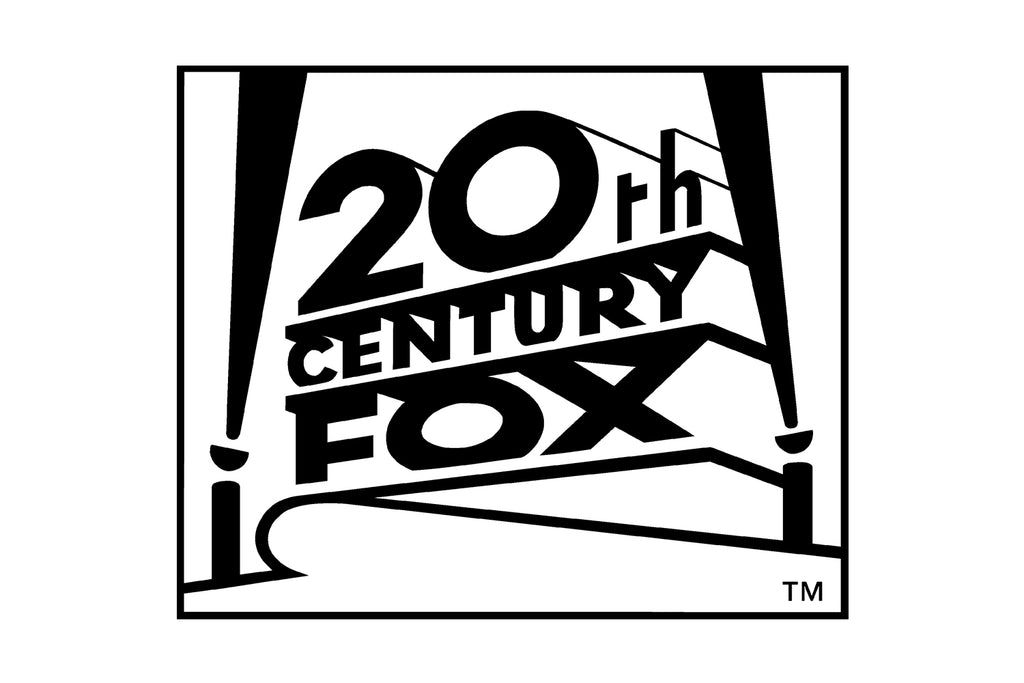
Image Courtesy of 20th Century Studios
2020 - Present
The 2020 renaming to 20th Century Studios prompted an update that reflected a new direction while honoring the brand’s cinematic legacy. Picturemill retained the familiar structure and replaced the bottom line with “Studios,” allowing the identity to move forward without losing its foundation. Smoother lines and improved proportions modernized the typography, while the structure, lighting, and cinematic presentation remained intact.
This era of 20th Century Studios logo design shows how restrained refinement can keep a historic identity relevant and unmistakable. The name changed, but the surrounding experience continued to carry decades of audience recognition into the studio’s next chapter.

Image Courtesy of 20th Century Studios
What Makes 20th Century Studios Logo Design So Iconic?
The 20th Century Studios logo design announces a cinematic experience through monumental Art Deco architecture, stacked typography, and bold geometry. Sweeping searchlights and the orchestral fanfare create movement, anticipation, spectacle, and nostalgia, making the brand recognizable across generations.
Although its animation, lighting, and name evolved, the central composition remained familiar. The change from 20th Century Fox to 20th Century Studios protected decades of recognition.
Its balance of tradition and innovation allows the identity to adopt new techniques and formats while continuing to express ambition, craftsmanship, and cinematic heritage. Few studio marks combine architecture, motion, atmosphere, and music so completely.
Continue Reading
- ESPN Logo Design: History & Evolution
- Fox Logo Design: History & Evolution
- Lionsgate Logo Design: History & Evolution
- Marvel Logo Design: History & Evolution
- MGM Logo Design: History & Evolution
How Does 20th Century Studios Logo Design Reflect Brand Identity?
The monumental Art Deco structure and dramatic scale communicate power, prestige, and Hollywood heritage. Searchlights turn a static mark into a performance, while Alfred Newman’s fanfare adds nostalgia and makes the brand recognizable through sound alone.
Familiar architecture has preserved recognition even as animation, lighting, and the company name changed. By adapting to new technologies and formats without losing its character, the logo balances cinematic tradition with innovation.
How Does 20th Century Studios Logo Design Reflect Brand Identity?
The towering monument communicates scale, authority, and permanence, positioning the studio as an established part of film history. Searchlights add spectacle, while bold capitalized lettering and refined proportions convey confidence and timeless elegance.
Modernized typography, animation, and effects preserve familiar visual and musical cues, maintaining audience trust. From painted artwork to 3D animation and the “Studios” name, the identity has evolved without losing its essential character.
Why the Logo Remains Instantly Recognizable
Stacked typography conveys authority, Art Deco architecture recalls Hollywood’s golden age, and the low perspective and searchlights create scale and glamour. Its monument, moving light, and fanfare form a complete audiovisual identity recognizable from only a silhouette, beam, or musical phrase.
Appearing before films has tied the sequence to anticipation, shared theater experiences, and memorable stories. Recognition comes not only from repeated exposure, but also from the meaningful moment in which that exposure occurs.
The central lesson of 20th Century Studios logo history is that consistency can survive changes in production, proportion, environment, and name.
Frequently Asked Questions
Who Designed the Original 20th Century Logo?
Emil Kosa Jr. designed the original monumental composition for Twentieth Century Pictures during the 1930s. His concept established the stacked lettering, architectural platforms, dramatic perspective, and searchlights. After the company merged with Fox Film Corporation in 1935, “Pictures” was replaced with “Fox,” preserving the recognizable design.
Why Does the 20th Century Studios Logo Use Searchlights?
The searchlights evoke Hollywood premieres, cinematic spectacle, and major theatrical events. Their sweeping movement contrasts with the massive, stationary monument, bringing energy and drama to the composition. This combination transforms the company name from a static corporate symbol into a memorable introduction that prepares audiences for the film ahead.
Why Was the Logo Redesigned for CinemaScope?
CinemaScope introduced a much wider screen format, requiring the earlier logo to be recomposed. Rocky Longo redesigned the monument with broader architecture, rebalanced lettering, and repositioned searchlights. These adjustments used the expanded frame effectively while preserving the familiar structure, dramatic perspective, and recognizable character of the original identity.
Why Was “Fox” Removed From the Logo?
“Fox” was removed after Disney acquired most of 21st Century Fox’s entertainment assets and renamed the film division 20th Century Studios in 2020. The change distinguished the studio from the independently operated Fox Corporation. Retaining the monument, searchlights, and overall composition preserved the identity’s historic recognition.
Conclusion
The 20th Century Studios logo shows how visual identity can become cultural history. Its structure, lighting, searchlights, and cinematic presence have adapted to technology, new formats, and ownership while continuing to express ambition, storytelling, and craftsmanship. Rather than discarding familiar assets, each major revision protected the emotional recognition built by earlier versions. For designers, artists, and other creative professionals, its evolution demonstrates the lasting value of consistency, adaptability, and clear visual storytelling.
You May Also Like
- BBC Logo Design: History & Evolution
- Cartoon Network Logo Design: History & Evolution
- DC Comics Logo Design: History & Evolution
- Discovery Channel Logo Design: History & Evolution
- DreamWorks Animation Logo Design: History & Evolution
Let Us Know What You Think!
Every information you read here are written and curated by Kreafolk's team, carefully pieced together with our creative community in mind. Did you enjoy our contents? Leave a comment below and share your thoughts. Cheers to more creative articles and inspirations!
Related Articles









Leave a Comment